isWhat
Hot Creek?
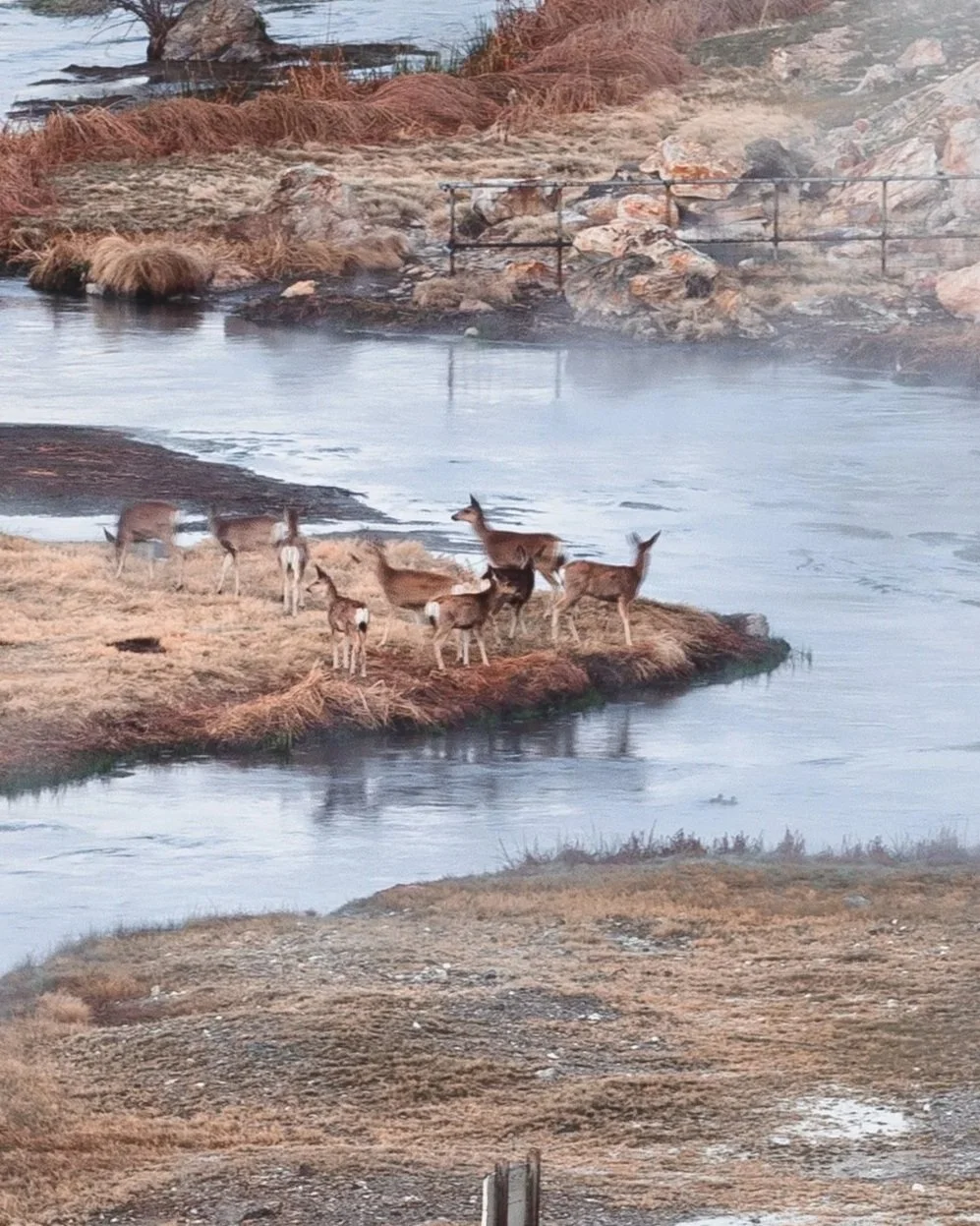
Hot Creek Geologic Site lies within 10 miles of the town of Mammoth Lakes, CA in the Long Valley Caldera. Mammoth Creek and Sherwin Creek converge to create Hot Creek. Boiling water bubbles up from the creek bed, mixing with the cold snow melt of the creek.


Homelands of the Kootzaduka’a
The region around Mammoth Lakes is the migratory homelands of the the Kootzaduka’a, the southernmost band of the Numu. The Numu are an indigenous people comprised of 22 bands located in modern day California, Nevada, Idaho and Oregon. Historically, the Kootzaduka people were hunter-gatherers, following seasonal game and migrating through the Mono Lake- Yosemite region. Today, the tribe is one of the 7 Traditionally Associated Tribes of Yosemite National Park and they are working to obtain Federal recognition as a sovereign Native American Tribal Nation.

Geologic History
Hot Creek flows from the town of Mammoth Lakes and into the Hot Creek Gorge. Here, heated geothermal water rises to the surface from aquifers deep beneath the earths crust. Several hot springs have formed along the banks of the gorge, where you can see clear blue pools. This water can reach temperatures of up to 199 degrees Fahrenheit. The water in these pools and the adjacent creek is warmed by magma lying underneath the Long Valley Caldera.

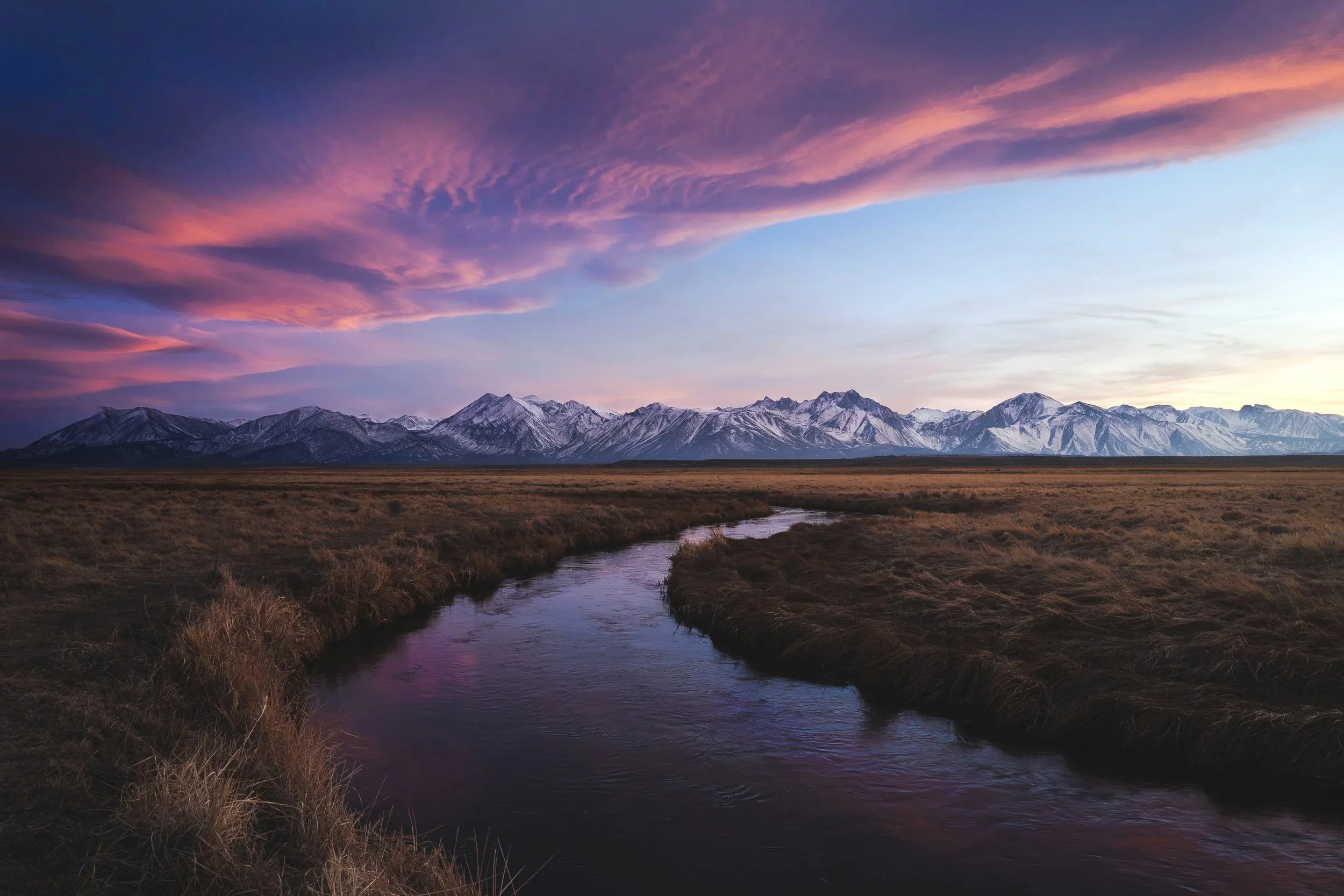
The Long Valley is a hotbed for geologic activity and much of the landscape in the Eastern Sierra has been formed by persistent volcanic and earthquake activity. Multiple eruptions over the past several thousands of years formed the dramatic ridges of the Sierra Nevada Mountains, the nearby Glass Mountains, and Mammoth Mountain itself. Geologic activity still occurs today, as evidenced by popular hot springs in the region, earthquakes, and Hot Creek itself.
Settler History
Nearby Mammoth Lakes was settled by Europeans in the late 19th century when four prospectors staked a claim just south of present day town in 1877. A gold rush followed the creation of the Mammoth Mining Company in 1878 and by the end of that year, over 1500 settlers were living in the area. When the company shut down its mill, many prospectors left and the area was comprised primarily of farm hands driving cattle up from the South. Mammoth and the Long Valley boomed once again as a tourist destination at the turn of the 20th century. In 1937, the modern highway was constructed and Mammoth Mountain was opened in 1953. Since then, Mammoth has become a world wide tourist destination for those seeking solace in the mountains.