theMINING THREATS
Hot Creek is threatened by the United States most toxic industry.
Changes in the current administration have opened the door for extractive industries to move forward at a rapid rate, with less restrictions for mining companies on both project proposals and reclamation requirements.
Gold Isn’t GreenKORE Mining has resubmitted a proposal for exploratory drilling.
This winter, February 2026, The USFS announced that KORE Mining, a Canadian company, re-submitted a proposal to conduct exploratory drilling for gold at Hot Creek. This proposal is similar to their previous project that was initially submitted in August of 2020.
12 Drill Pads 30 × 53 Feet
24 Hour Operation Light Pollution
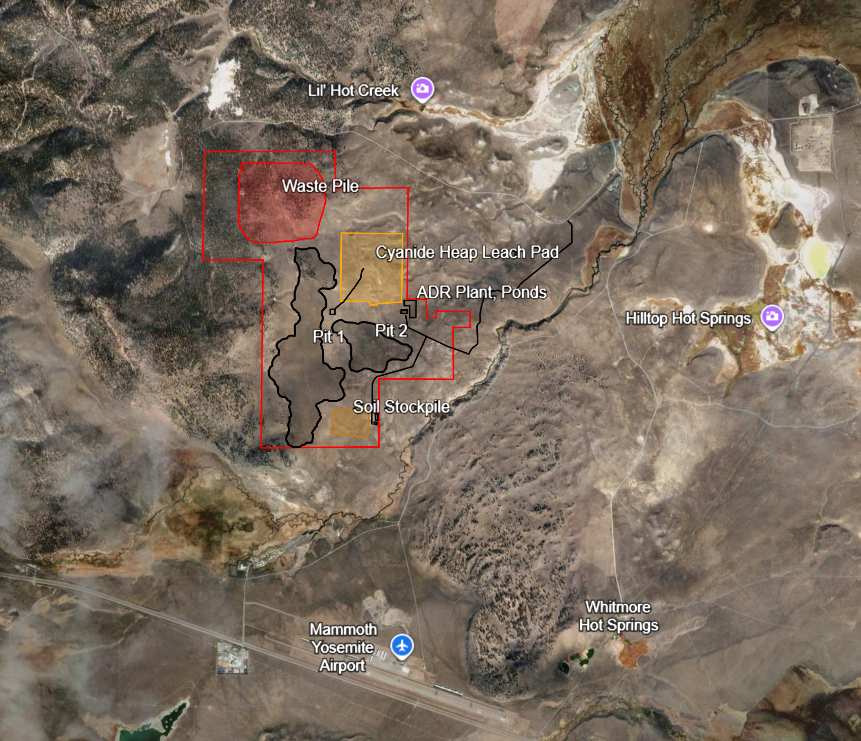
Dust Pollution from Industrial Trucks and MachineryKORE plans to install drill pads on Forest Service land adjacent to Hot Creek. Several dirt roads will be installed to access the pads as well. A significant amount of water will be needed for this operation, however, KORE’s source from our limited water supplies has yet to be determined. When exploratory drilling commences, the operation will be 24 hours around the clock; lights will be installed at night time hours, and the Long Valley will see a significant amount of traffic and dust pollution from large trucks.
Why has the threat returned?
The current administration has dismantled many environmental protections and safeguards communities have against mining companies. Because of this, KORE Mining has resubmitted a proposal for exploratory drilling. This time, the process by which KORE Mining can submit applications for drilling and begin the project are much different. Trump’s administration has gutted NEPA (National Environmental Policy Act) Council on Environmental Quality (CEQ) by about 80%- this means that most previous environmental protections have been completely removed or significantly reduced. In regards to this specific project, the USFS is not required to have a public comment period, limiting public input. Furthermore, Trump's Executive Order 14241, “Immediate Measures to Increase American Mineral Production” includes gold as a critical mineral even though it is not imported or in limited supply.
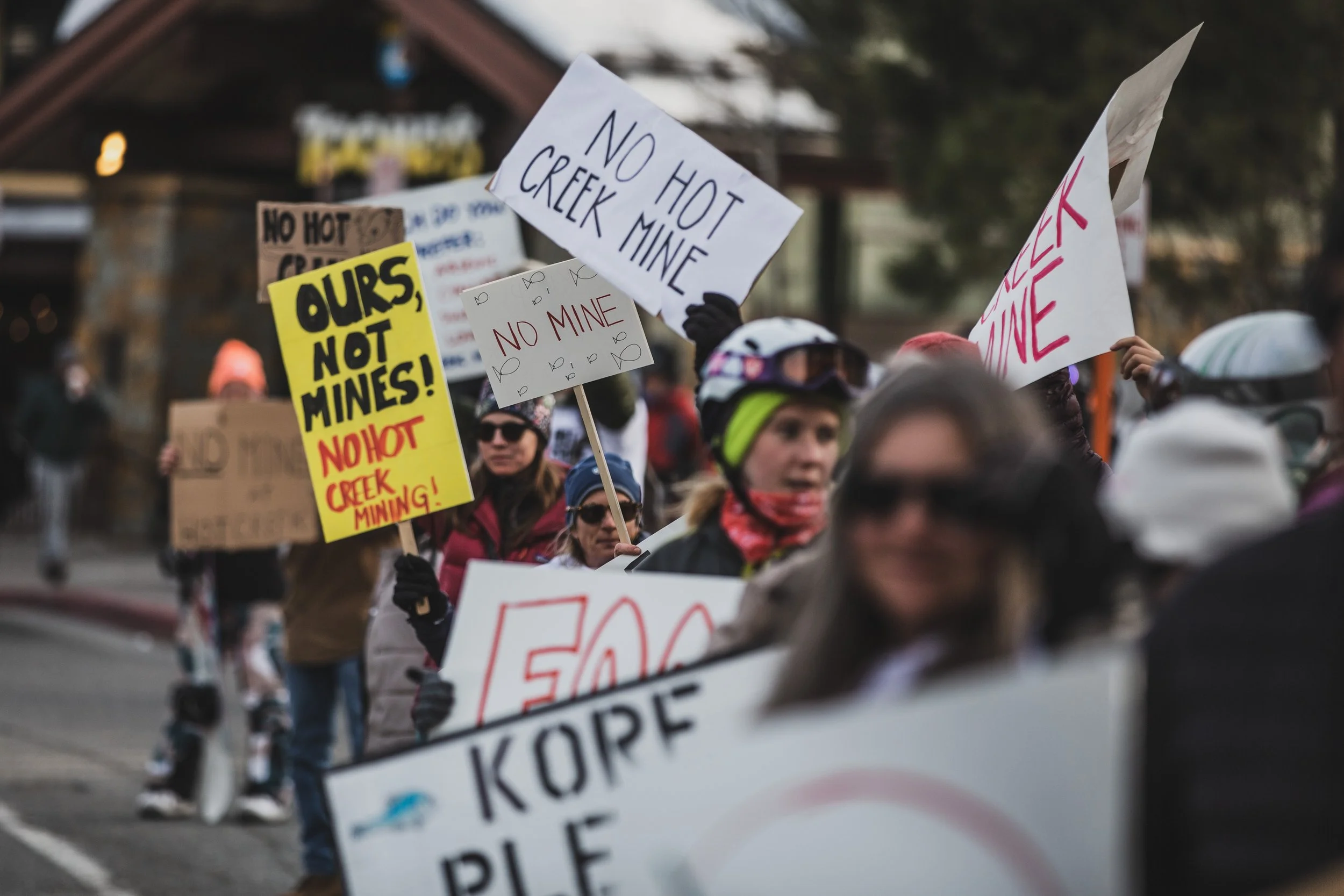
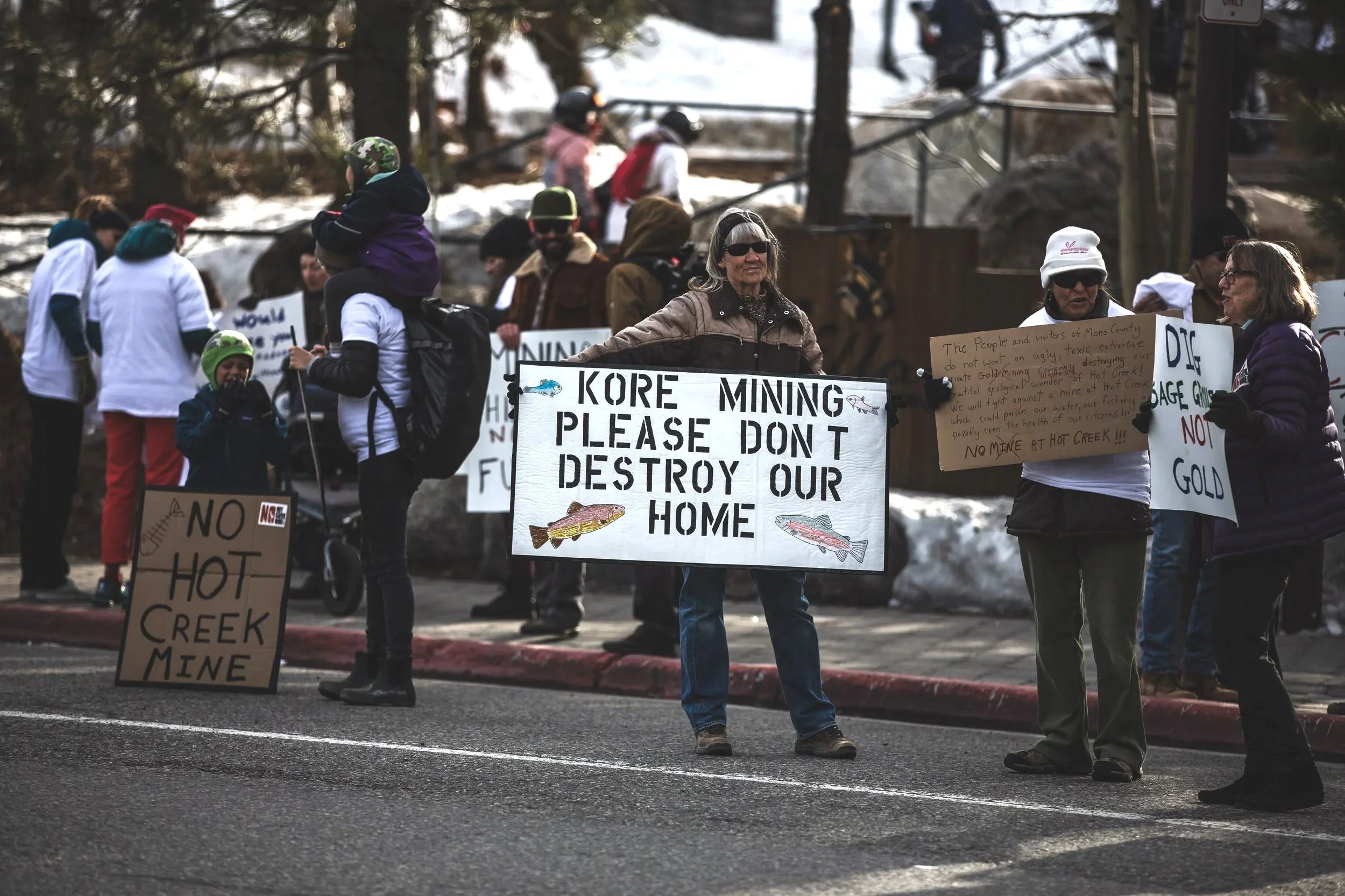
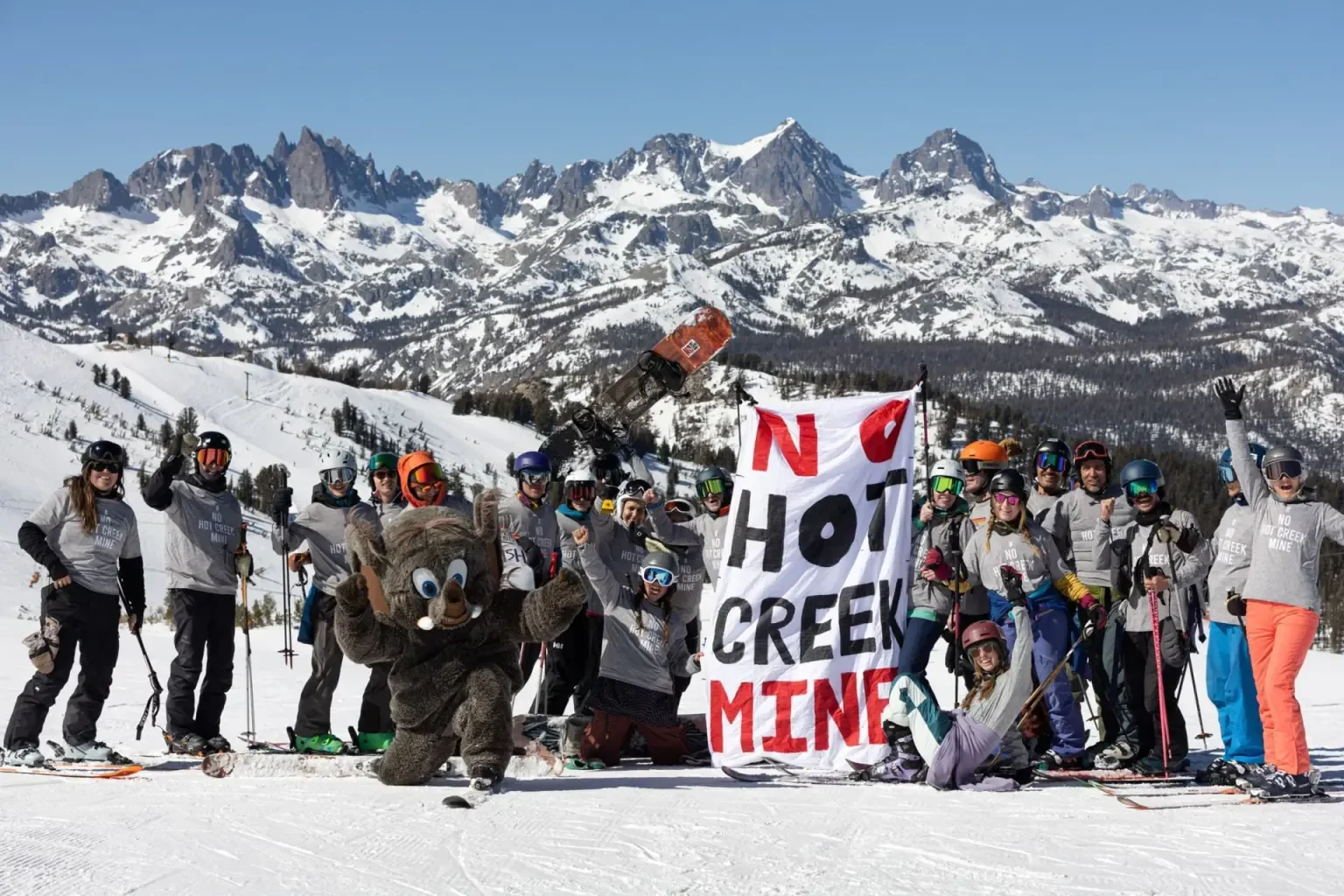
Now, the USFS and other agencies are allowed a more liberal use of a categorical exclusion. A categorical exclusion, when applied by the Forest Service, states that a project will not have a significant impact on the environment and therefore a project is not required to have an Environmental Assessment (EA) or Environmental Impact Statement (EIS). Last time, we defeated KORE and the USFS under a decision stating that the use of 2 categorical exclusions is not allowed and that it is a single project, not two projects; one for drilling and one for reclamation. While we do know this current project will be a CE, we are unsure how things will play out under the new rules.
Cause for Concern
Worth More Than Gold
Mining is one of the top polluters in the United States.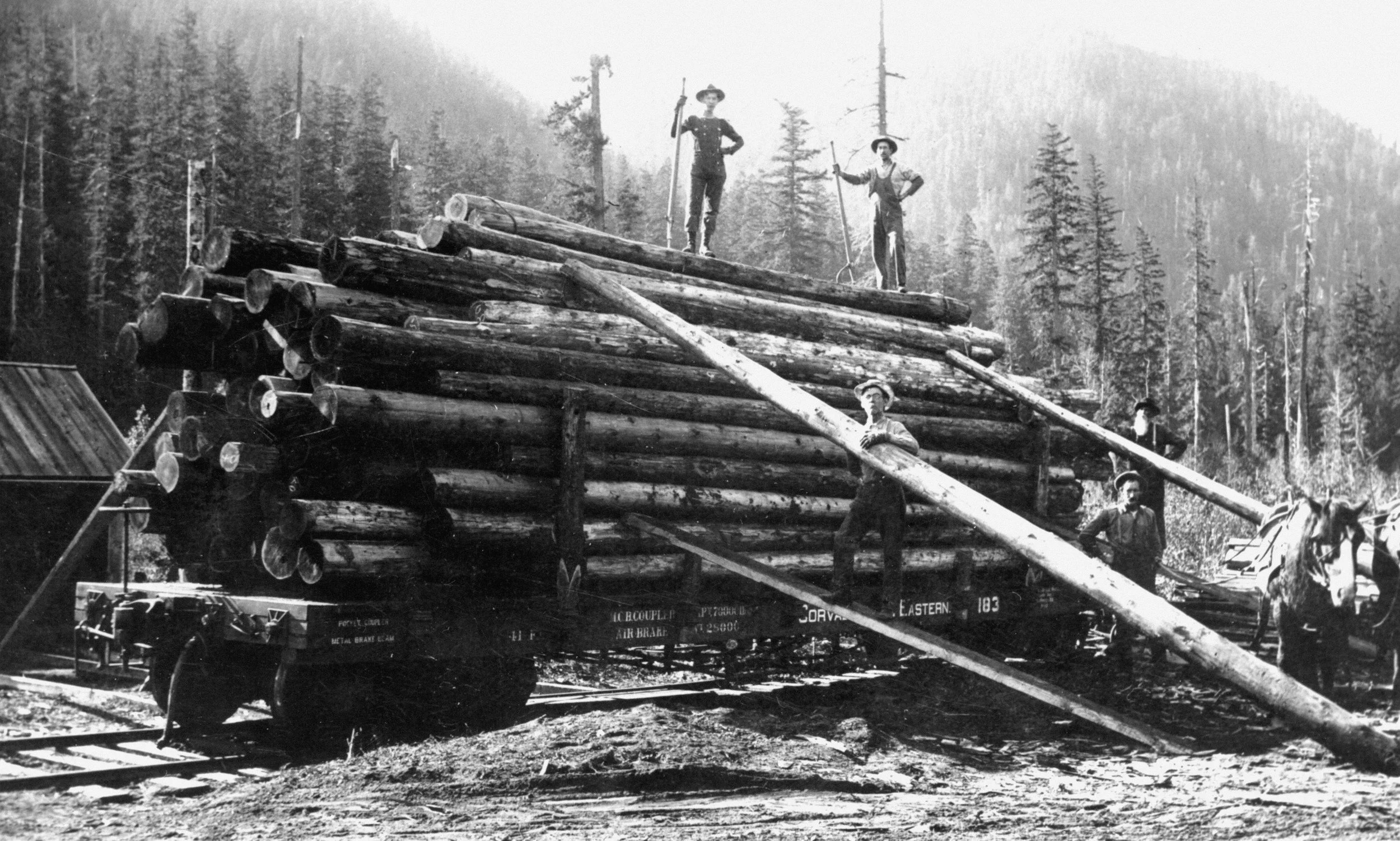
The history of mining in California is often romanticized, curating an image of rugged individualism in the American West.
But this could not be further from the truth.
Mining and the colonial mindset that it carried to California led to the genocide and displacement of local Indigenous peoples. It left lasting scars on the land that can still be seen today. Toxic minerals still remain unseen in the soil and water, left over from mines that closed decades ago.
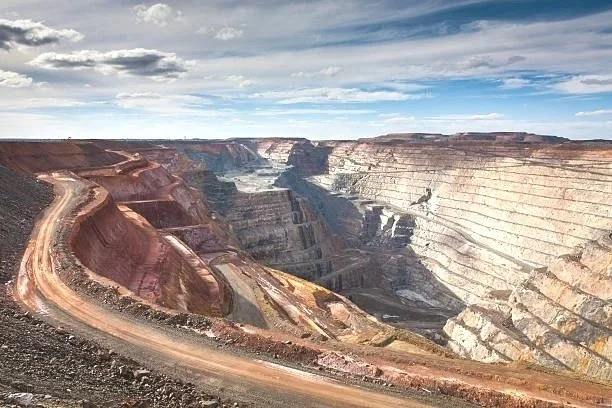
Present mining activities cause devastating impacts to front line communities; many of which are still wrestling with the impacts of the past. Indigenous communities are disproportionately impacted by mining projects. In fact, most untapped transition mineral deposits in the United States are within 35 miles of Indigenous lands. The pollutants from mining projects can impact our drinking water, the air we breathe, and can contaminate the soil.
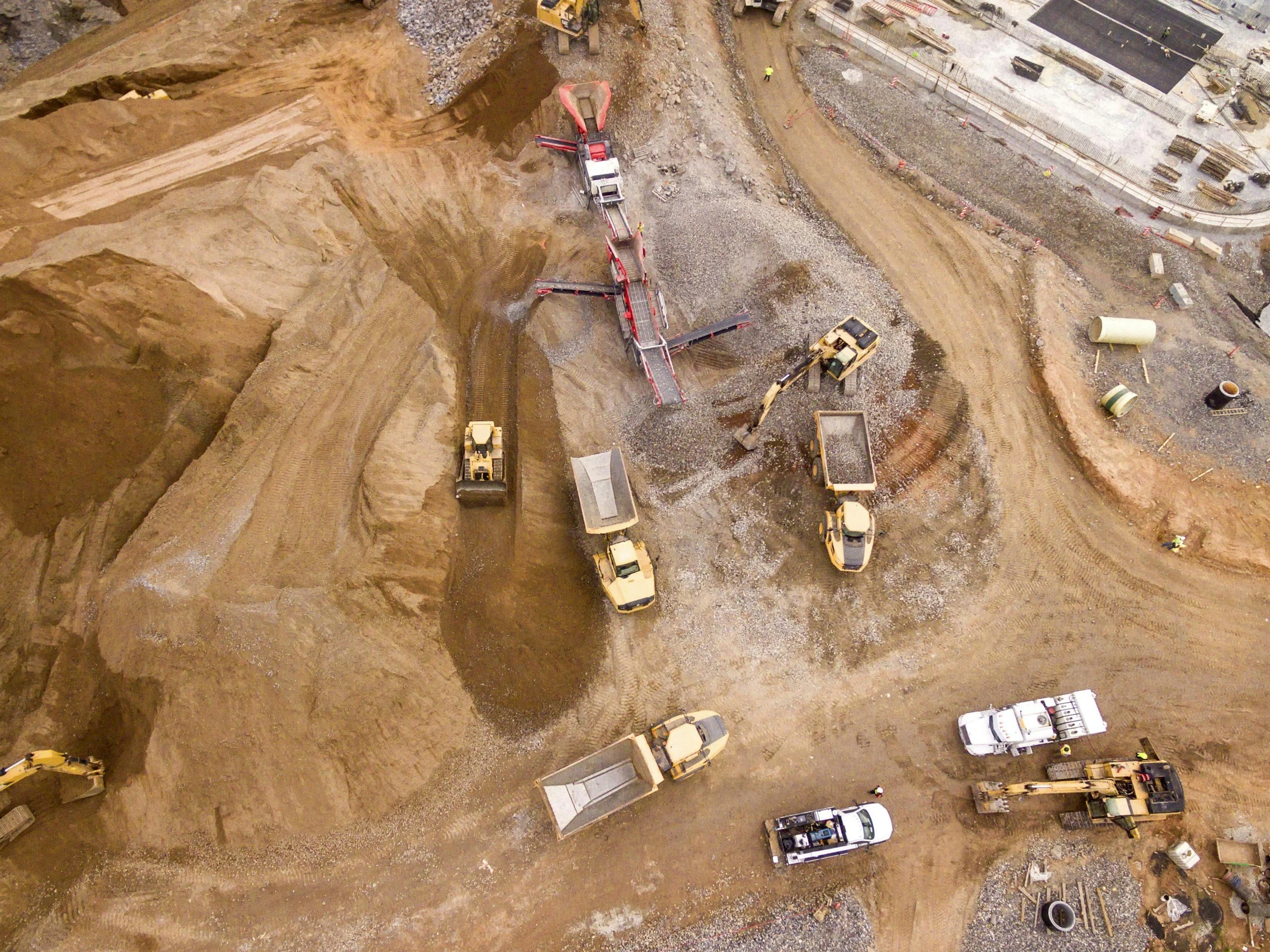
Antiquated laws like the 1872 mining law have not adapted to the rapid changes in technology that allow for significantly larger and more destructive mining operations. Irresponsible mining waste disposal and weak reclamation laws ultimately lead to pollution and the spread of toxic waste that impacts our water and ecosystems.
The Future of an Open Pit Mine
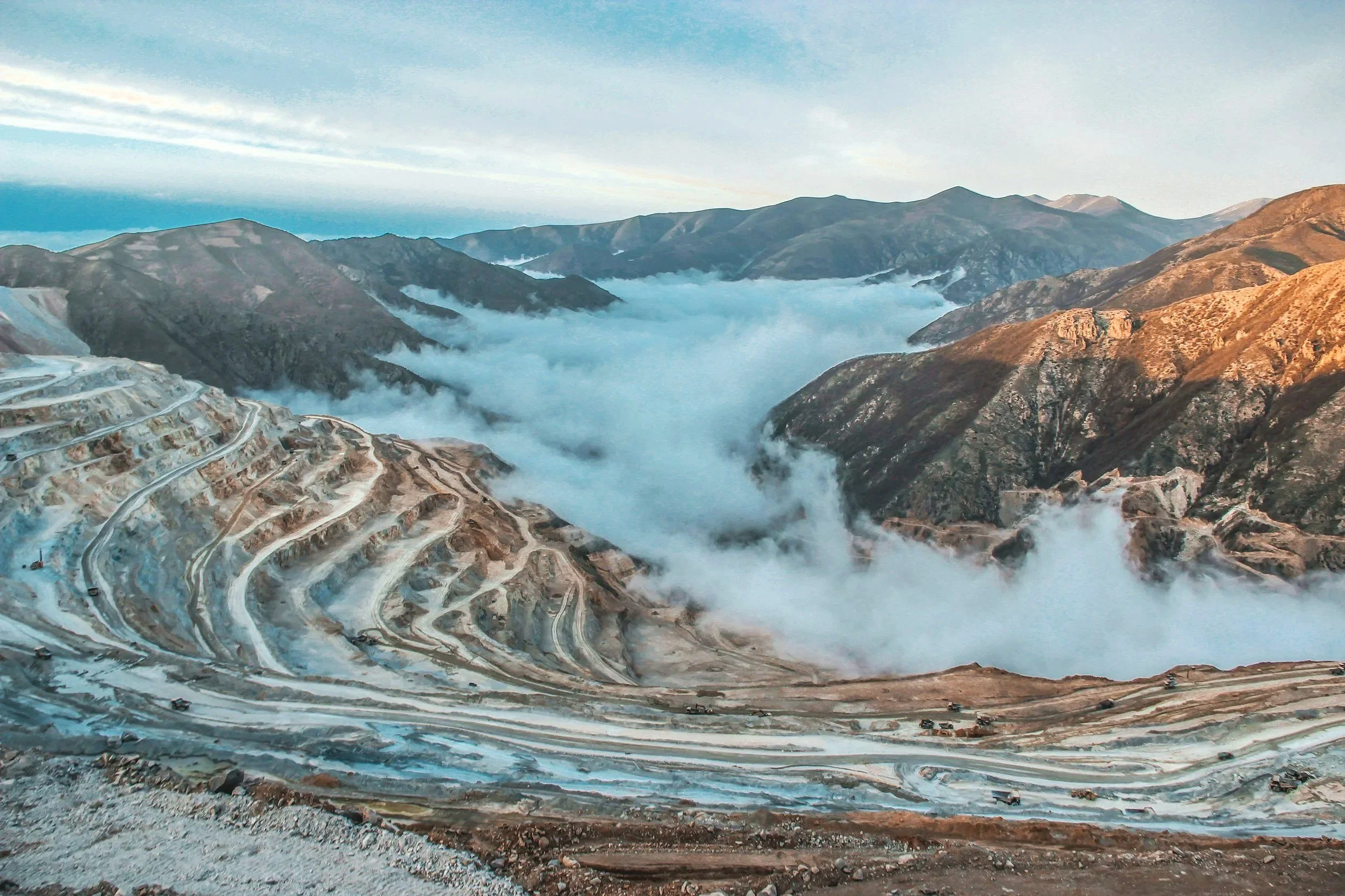
At present, KORE Mining’s operations are for exploratory drilling only, looking for microscopic gold. They are hoping to tap into the gold deposits near Hot Creek. If they find a substantial amount of gold that is economically viable enough to mine, there is potential for an open pit mine to be opened.
Cyanide Heap Leaching
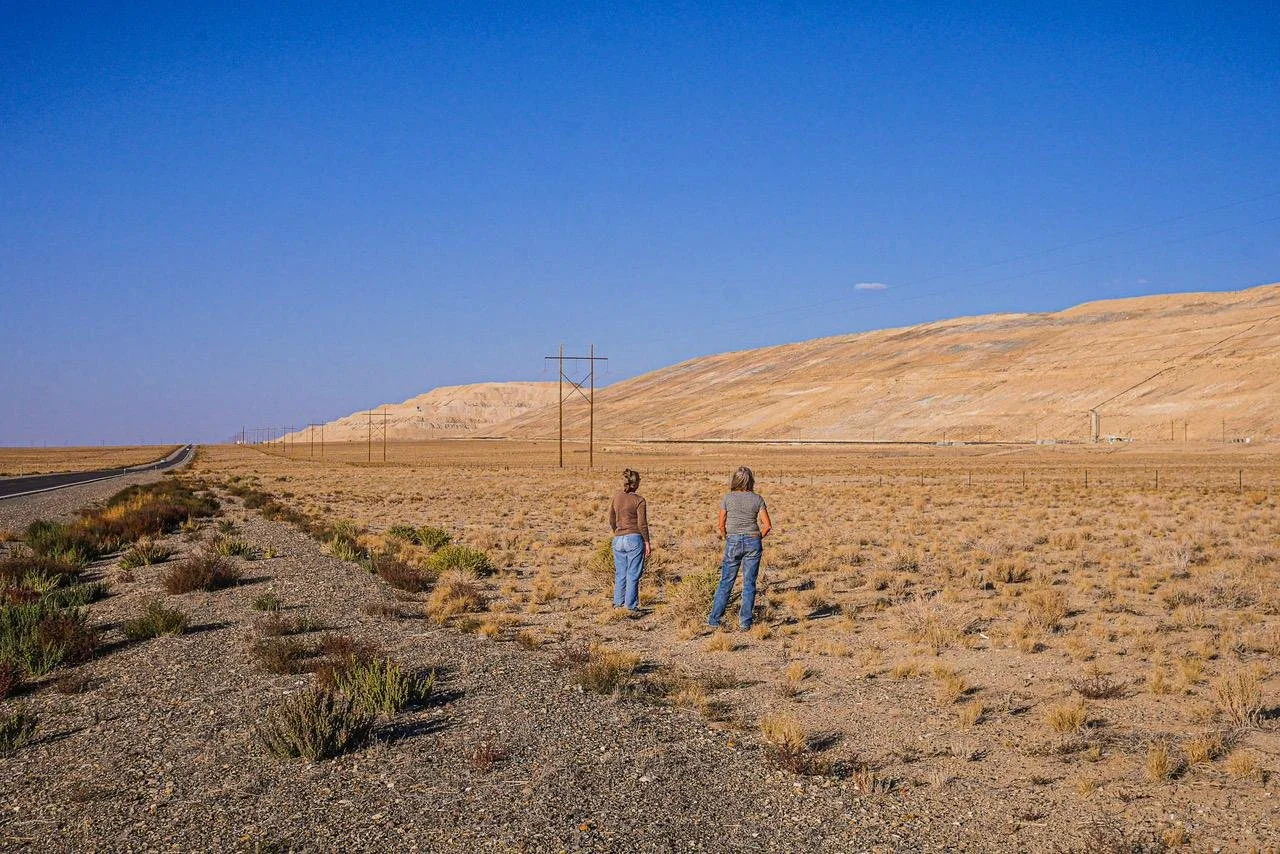
KORE hopes to extract the gold using cyanide heap leaching, a process whereby chemical reactions are implemented to separate gold from other earth materials. Sodium cyanide is utilized in this process and will impact groundwater and our fragile ecosystems. It is difficult to obtain a permit for cyanide heap leaching in Mono County, however, KORE intends to disregard this.
Resource Library
Categorical
Exclusion
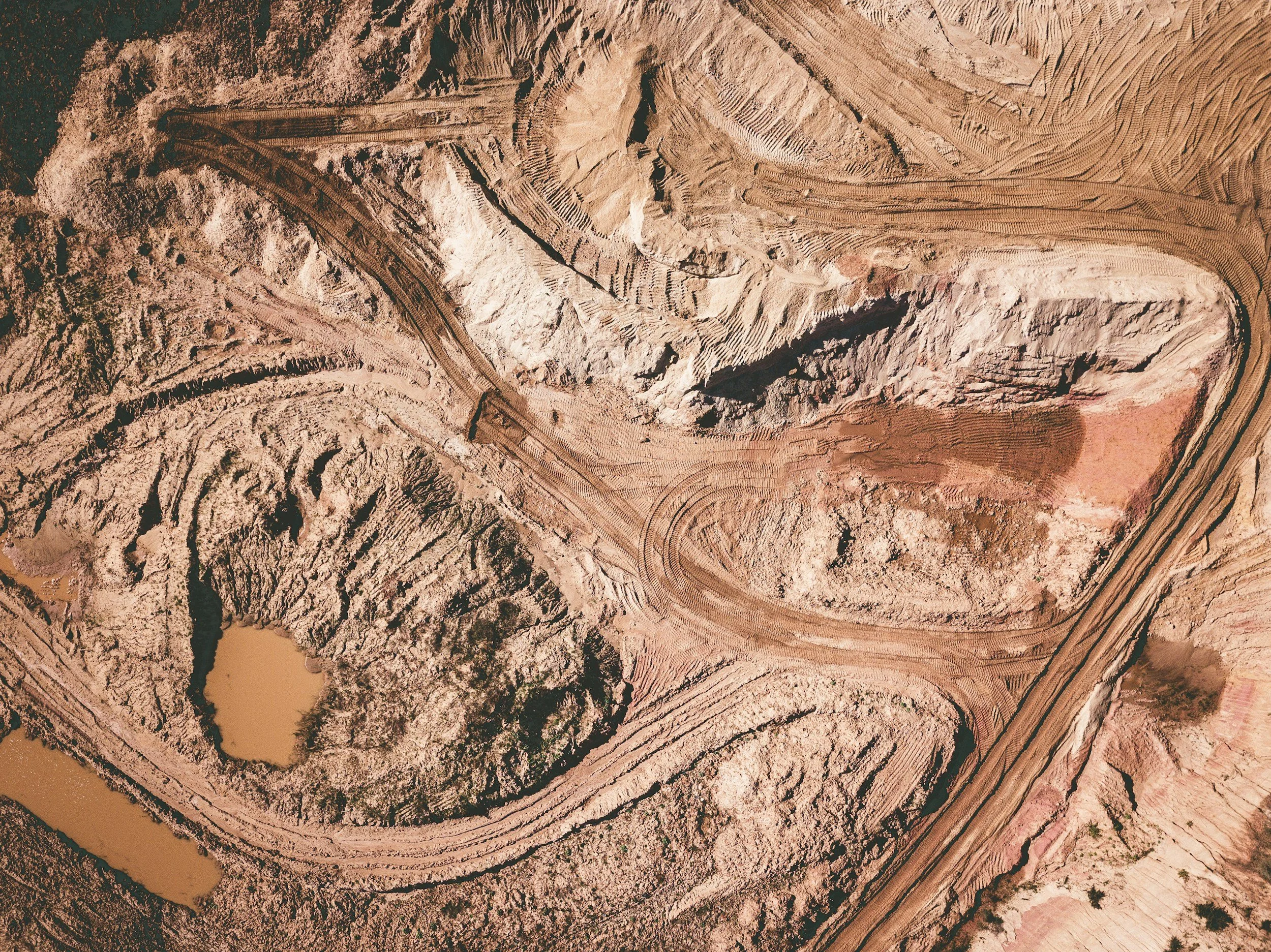
Categorical Exclusions (CE) are are often used for mineral exploration projects on Forest Service lands. They are used to bypass environmental assessment or environmental impact statements, claiming operations will have no significant impact on the environment.
1872 Mining Law
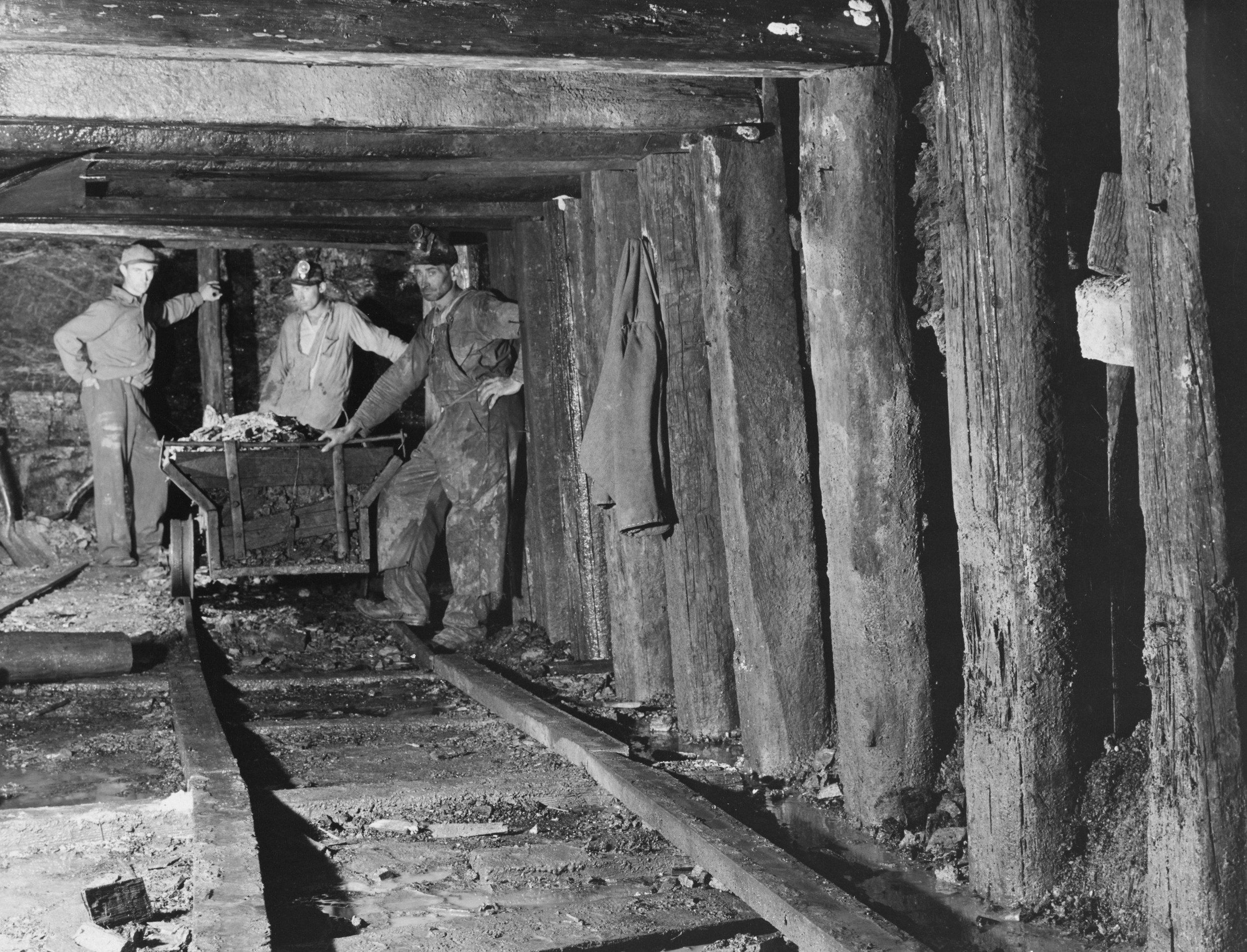
The 1872 General Mining Law allows claim holders the right to access minerals regardless of any impact exploratory drilling will have on the environment. We believe this law is far outdated and must be changed.
Gold Isn’t Green is an anti-mining campaign working to address the environmental and public safety impacts of gold mining. The campaign is organized by the Sierra Protection Action Network, one of our partners.