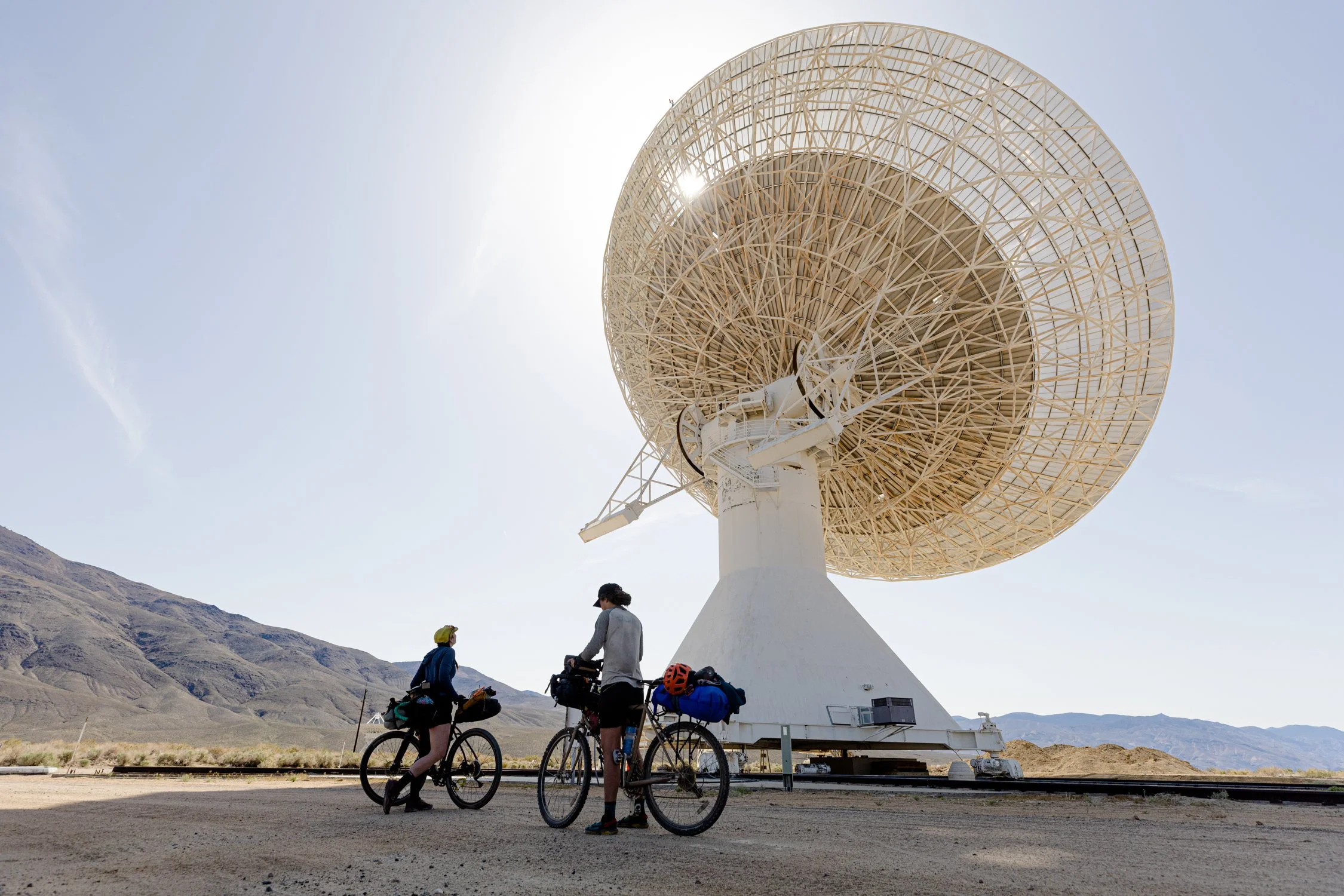
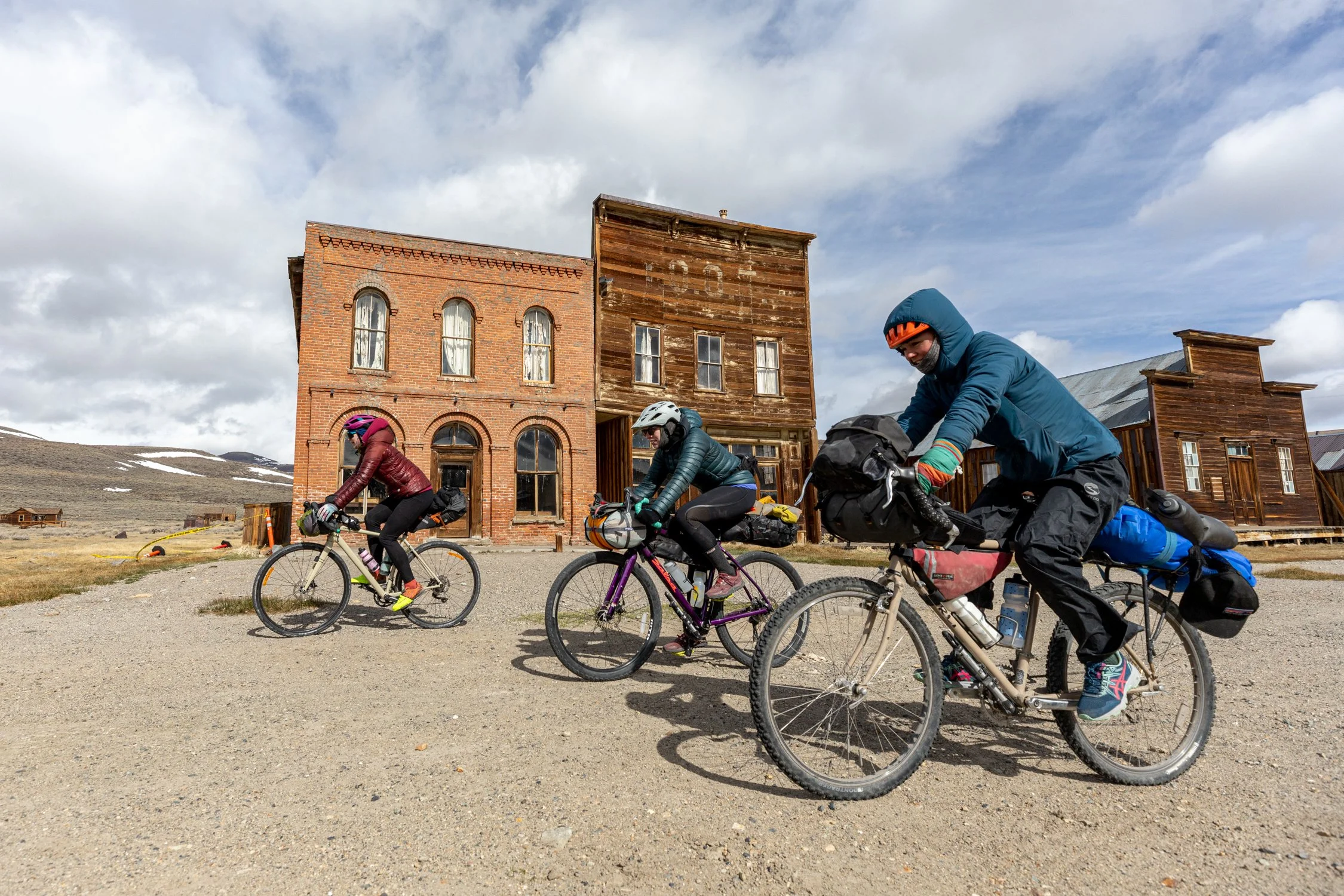
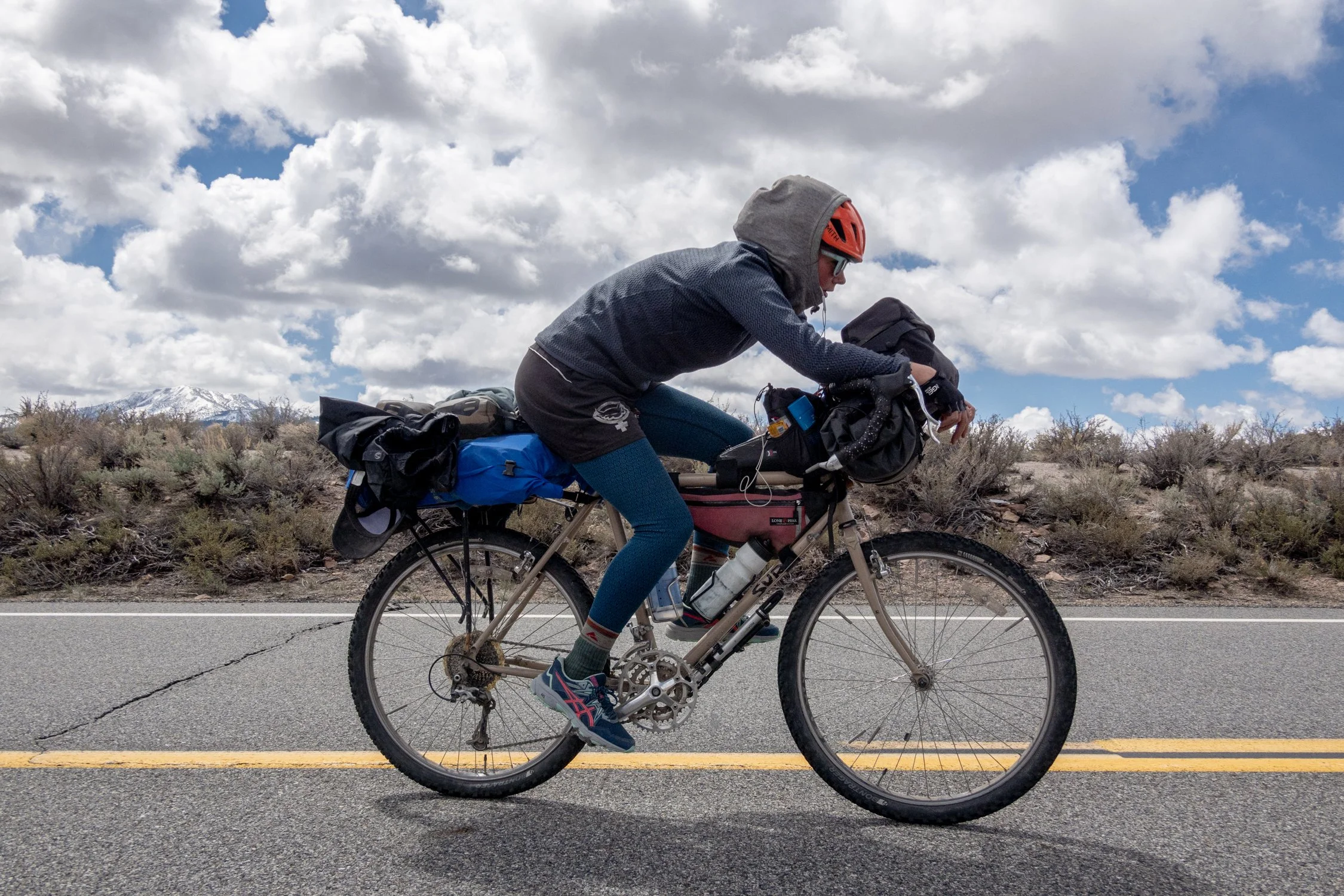
Worth More Than Gold: Bikepacking the Sierra5 years ago, NHCM co-founders Emily Markstein and Amber Rassler packed up their bikes and set out to explore the story of mining in the Eastern Sierra.
Photography by Ethan Fichtner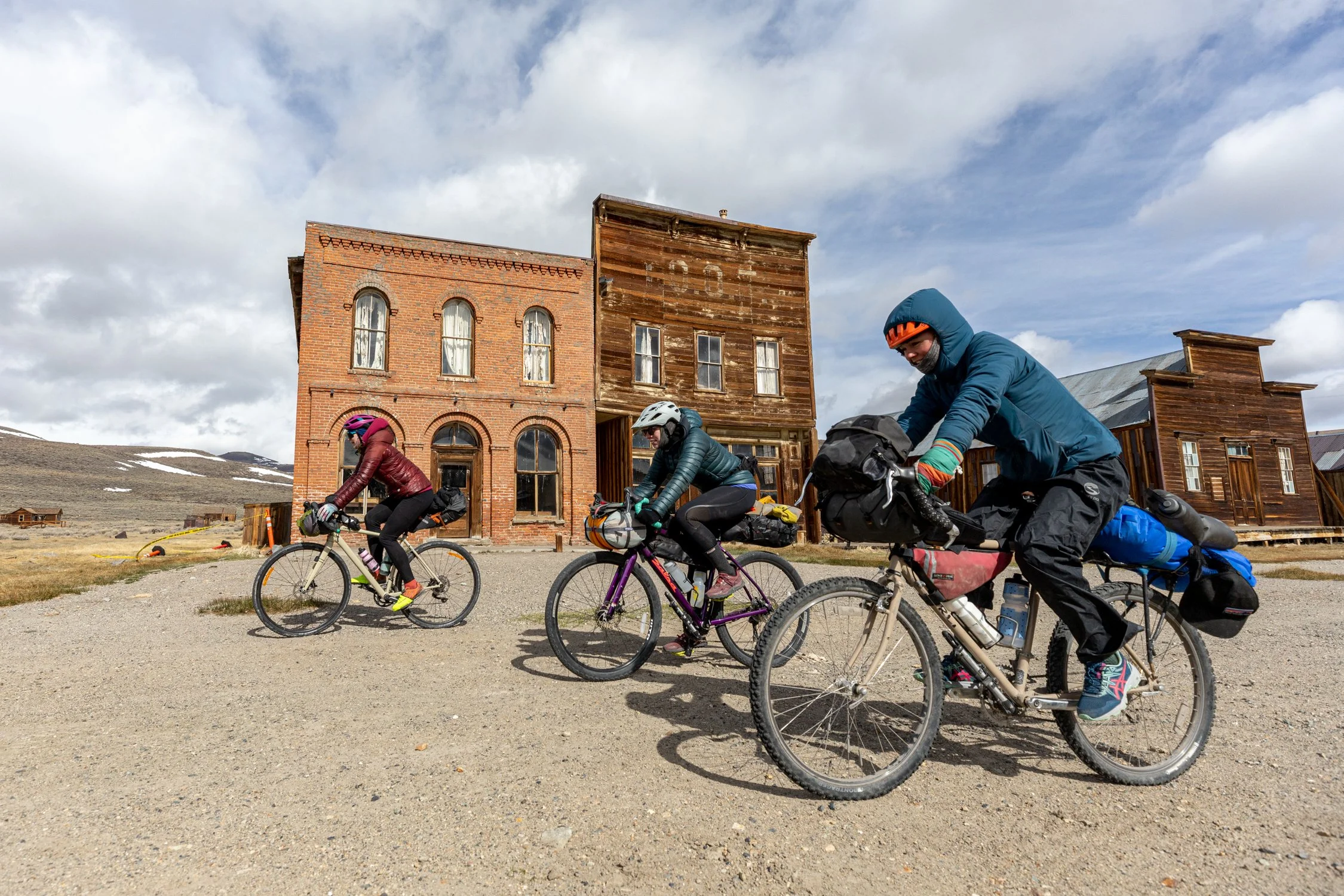
There’s a certain kind of clarity that comes when you’re riding a bike for hours through an open landscape—when the wind strips everything down to what matters most. For me, that clarity sharpened into purpose over the past year, somewhere between weekly rides with my friend Amber and long conversations about climate, community, and the places we love.
What began as a simple idea—just a weeklong bike tour—quickly grew into something much bigger.
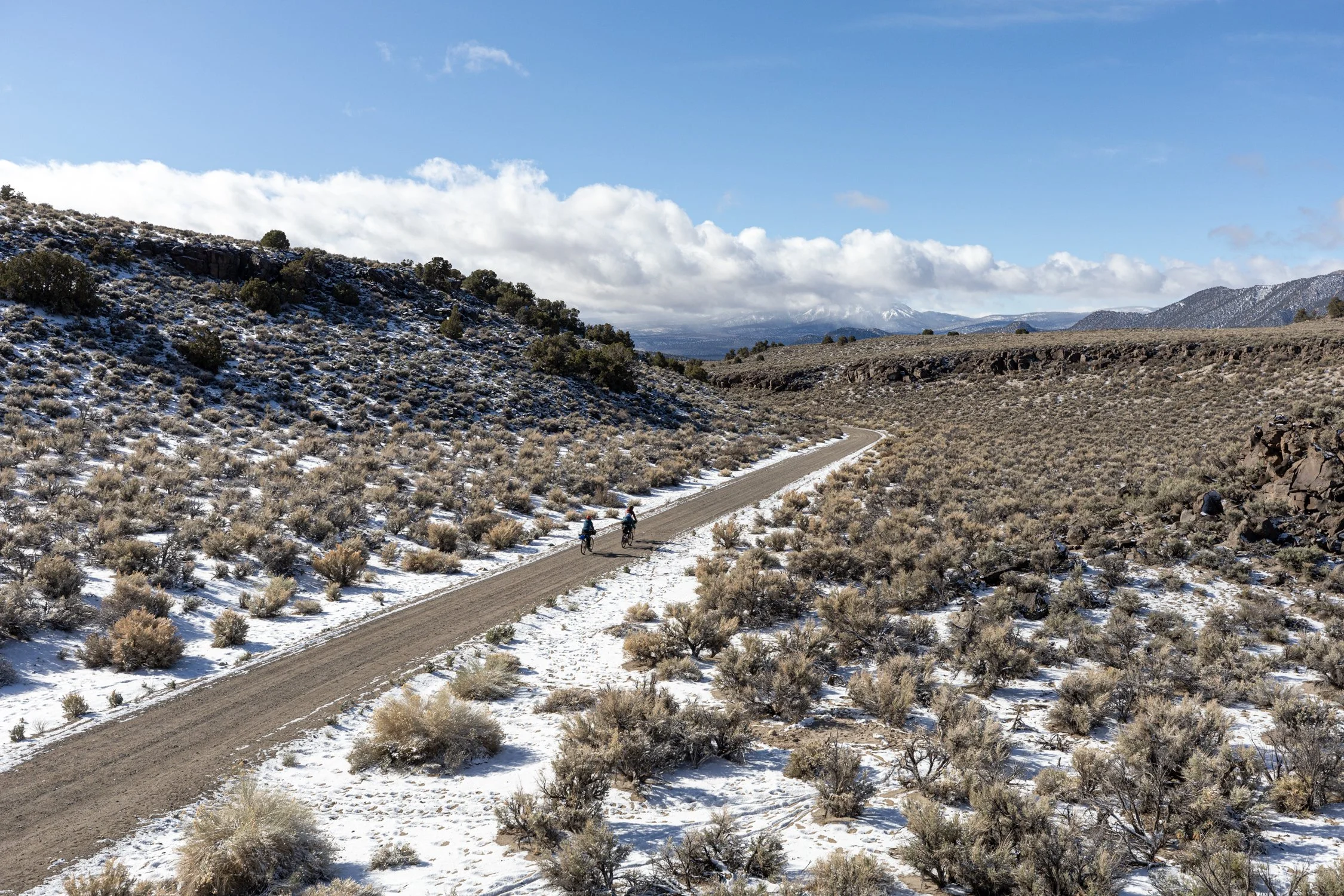
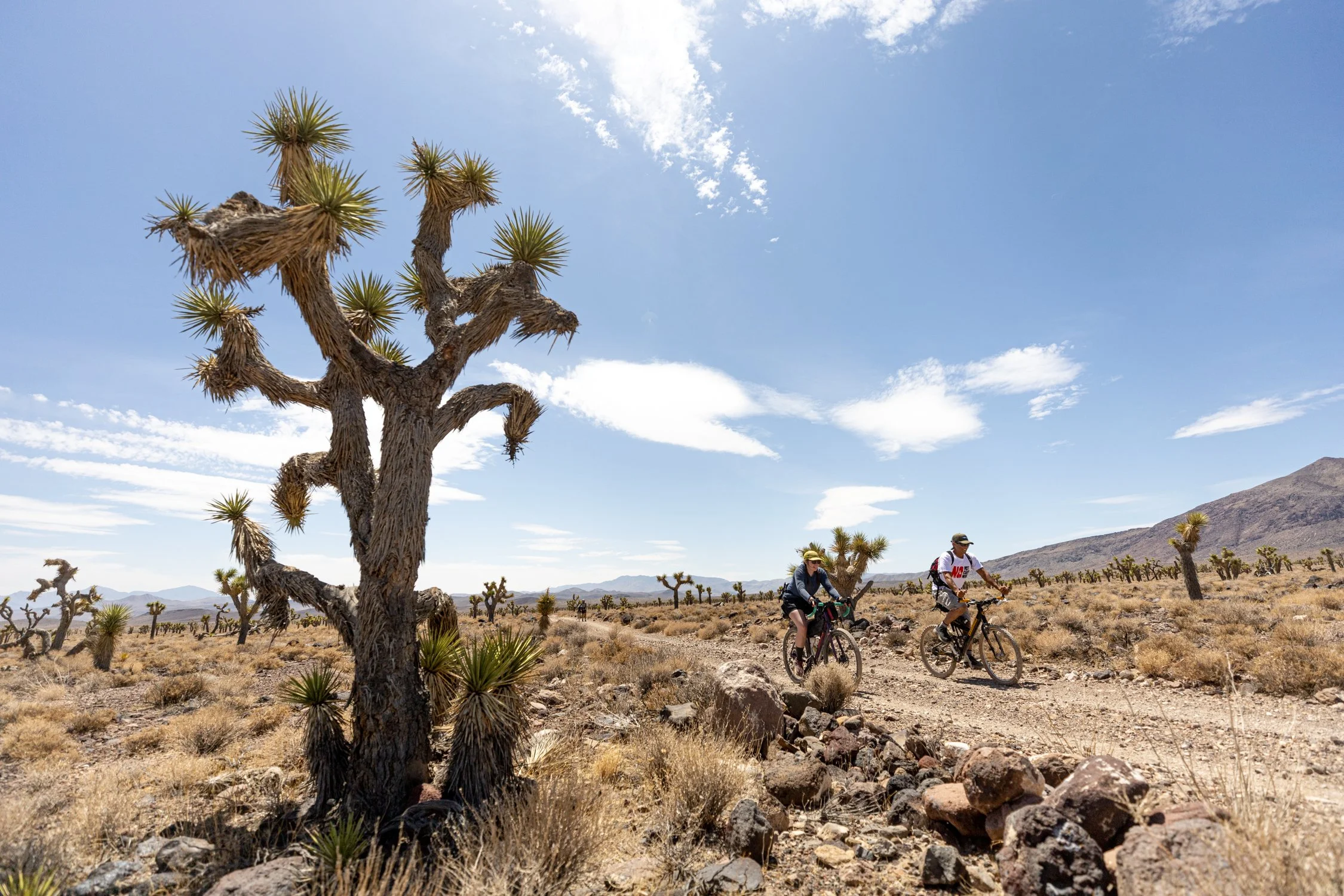
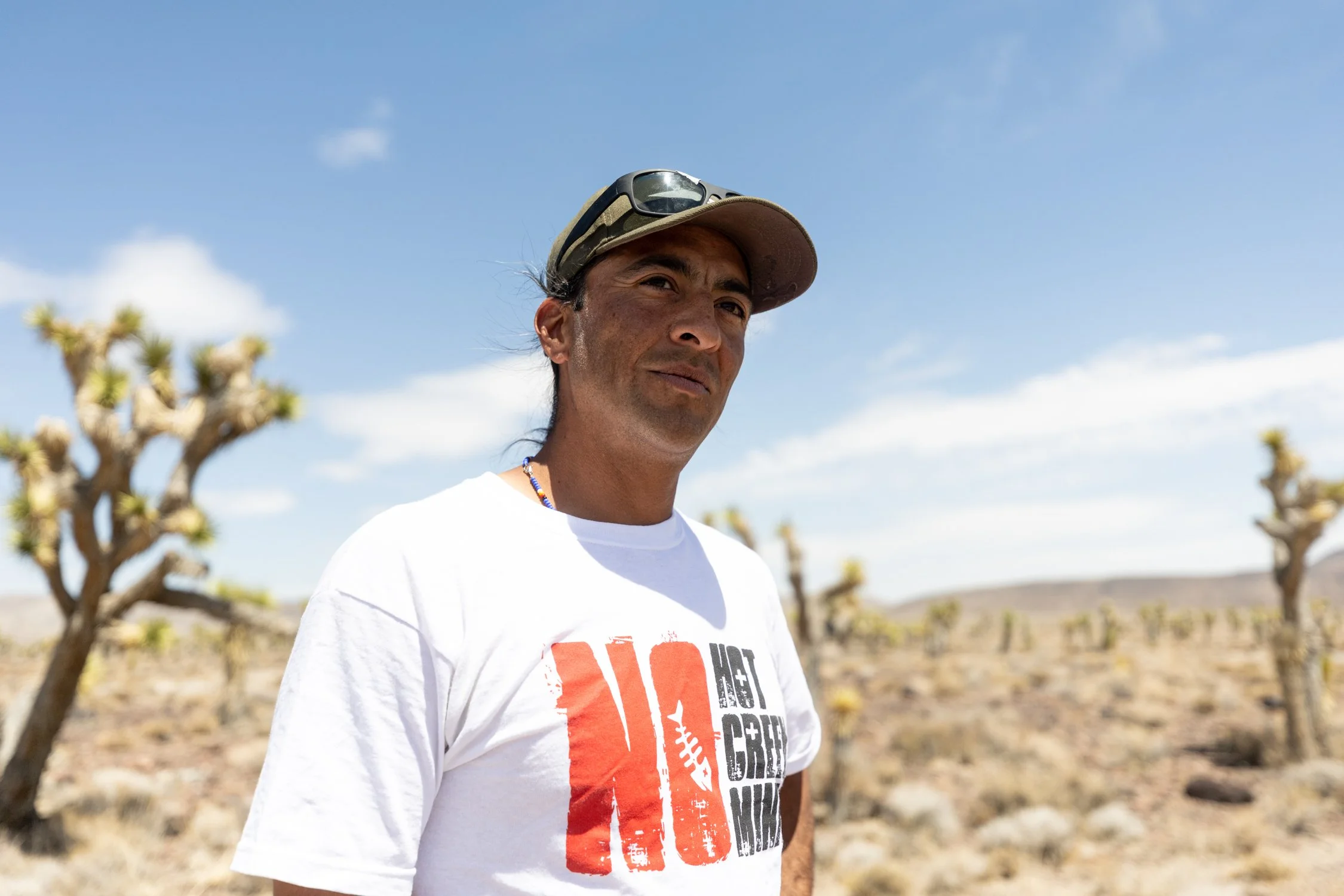
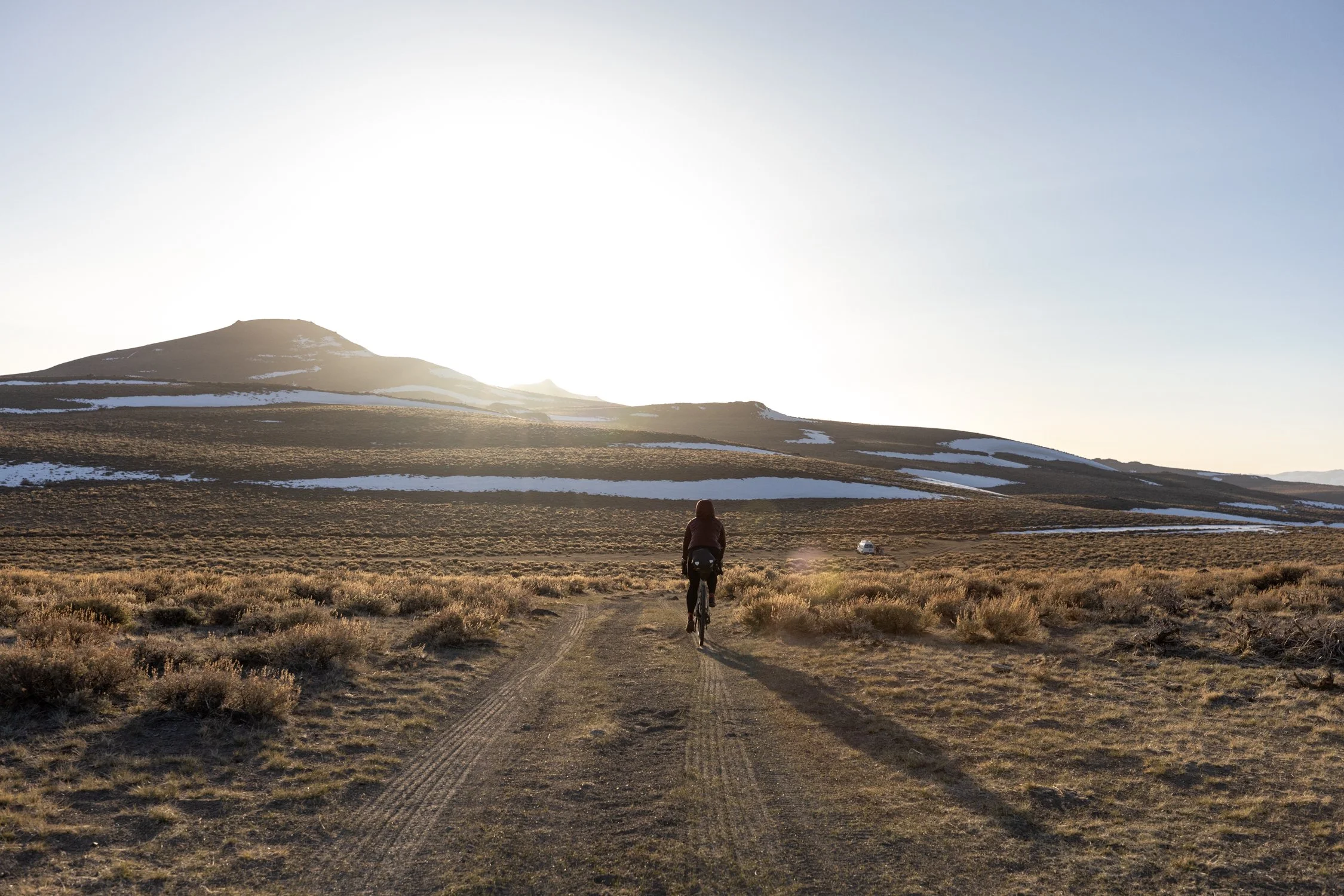
Amber and I had been riding together regularly, cycling the dirt roads of the Owens Valley, talking about how lucky we are to live in such a striking, fragile place. The high alpine desert holds a quiet kind of magic: volcanic tablelands, endless sagebrush, snow-fed creeks cutting through the dust. But beneath that beauty, we started noticing a growing threat—proposed gold mining projects creeping closer to the landscapes and towns we call home.
The idea clicked into place one day after we came across a small blurb in the local newspaper. A gold mining project was being proposed just 10 miles outside of Mammoth Lakes. It felt close—too close. Suddenly, this wasn’t an abstract environmental issue happening somewhere else. It was here, at our doorstep.
Suddenly, we were no longer watching revolutionary movements happening on the screens of our phones, but creating our own revolution right here in the Eastern Sierra. To me, activism had always been something small- conversations I had with friends about social justice issues or sharing stories on my social media page about how we can rethink our impact on this planet. But now- it was something so much more.
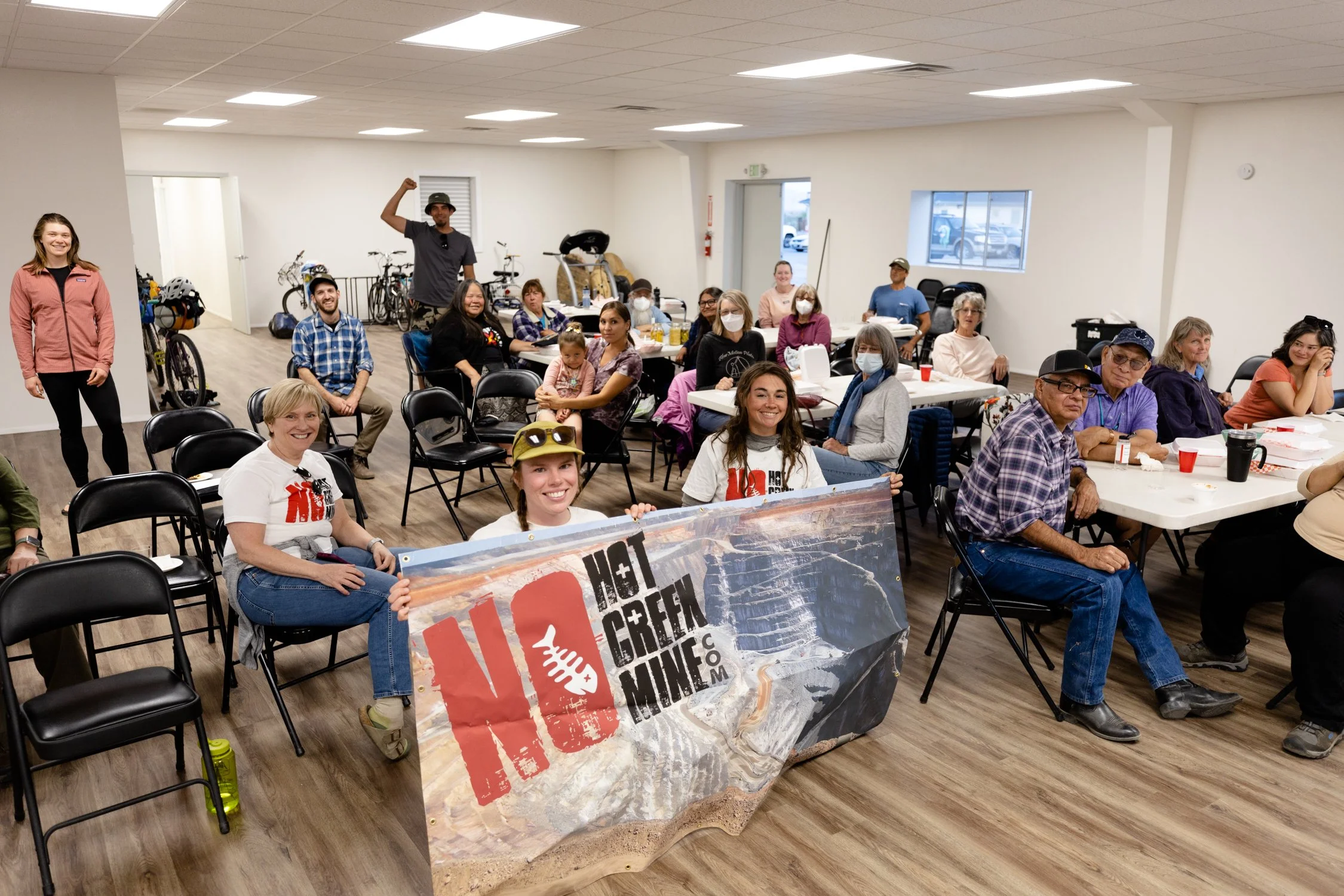
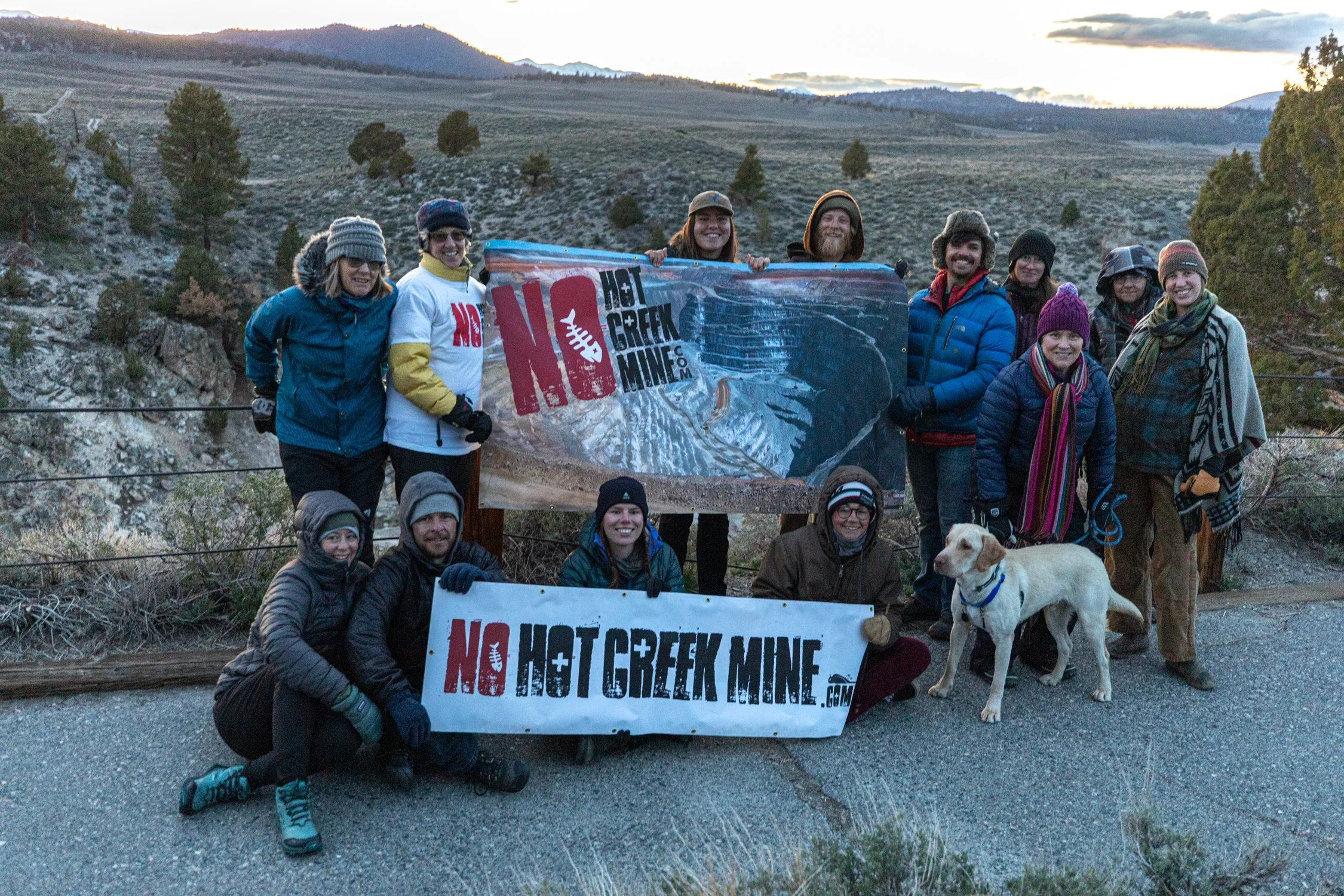
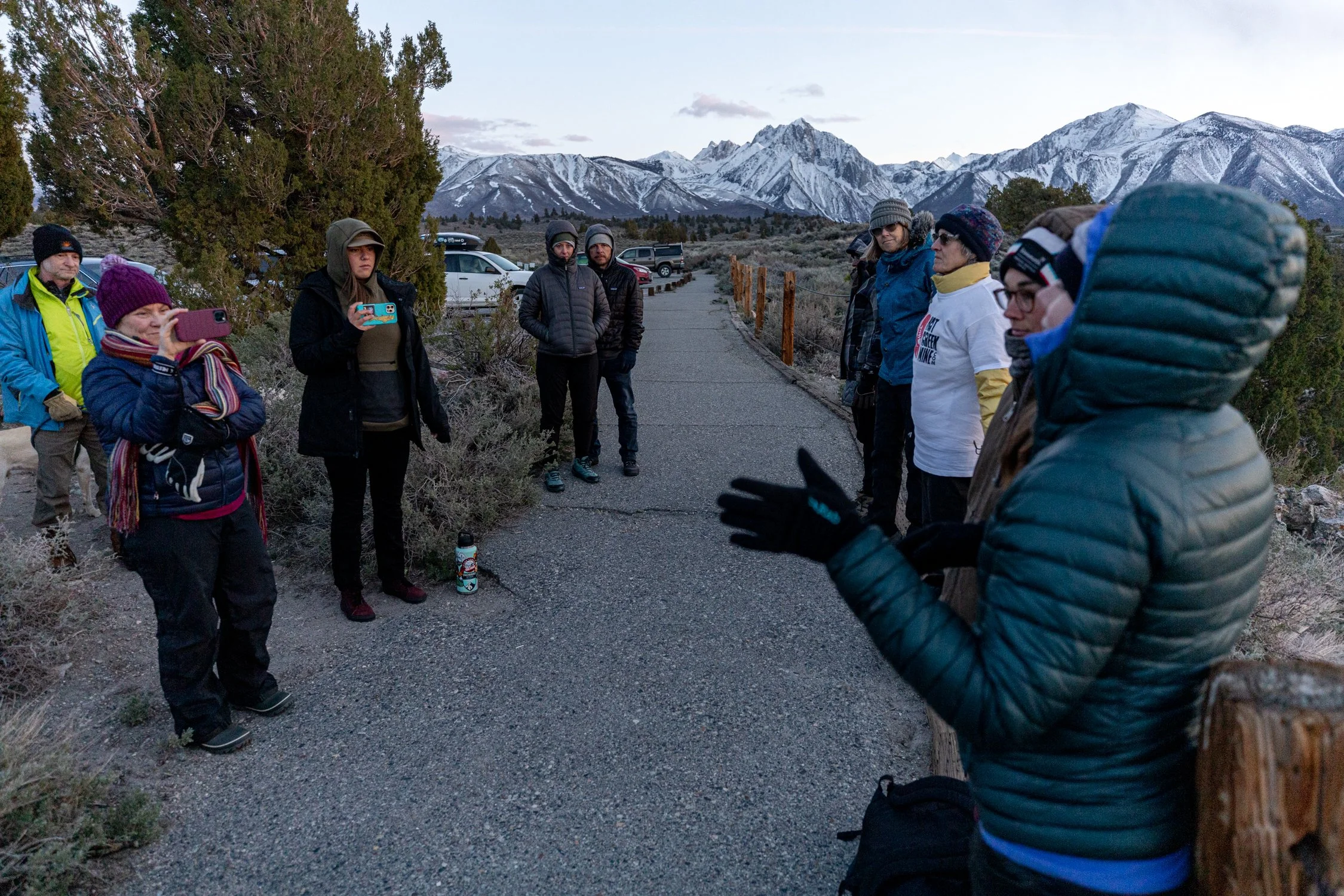
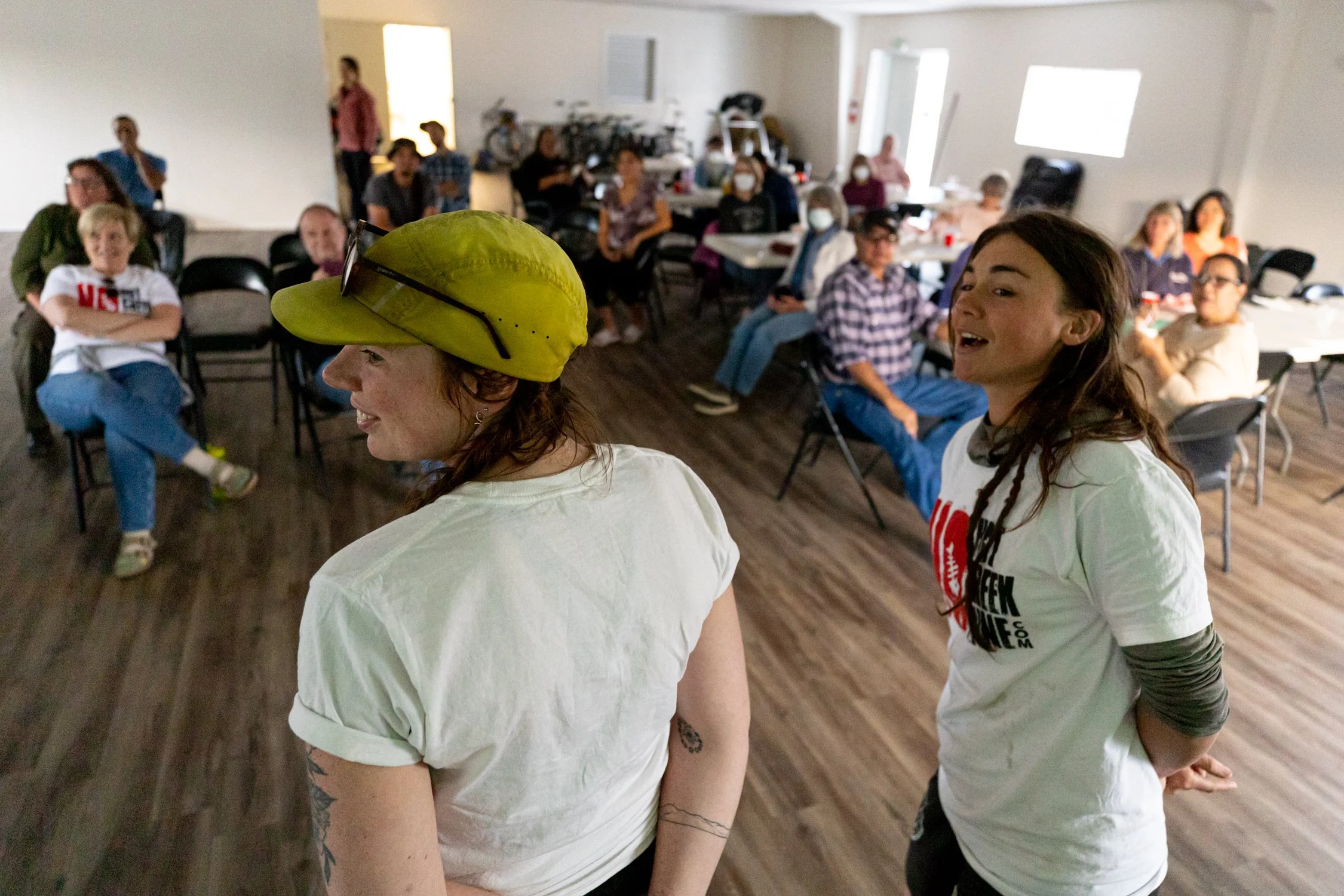
What started as conversations on bike rides had evolved into a grassroots movement. Amber and I created No Hot Creek Mine, a community-driven effort to raise awareness and push back against mining development in the region. We organized a rally. We staged a ski protest on Mammoth Mountain. We spent countless hours talking with neighbors, friends, and strangers—anyone willing to listen—about what was at stake.
And still, it didn’t feel like enough.
We kept coming back to the same question: how do we reach people in a way that resonates? How do we connect to our community- a town with a lifestyle centered around adventure sports? How to we engage with folks who would rather be in the mountains that attending a protest on the street? How do we tell this story so that it moves beyond Instagram posts and small articles in the local paper?
The answer, unsurprisingly, was right beneath us the whole time—our bikes.
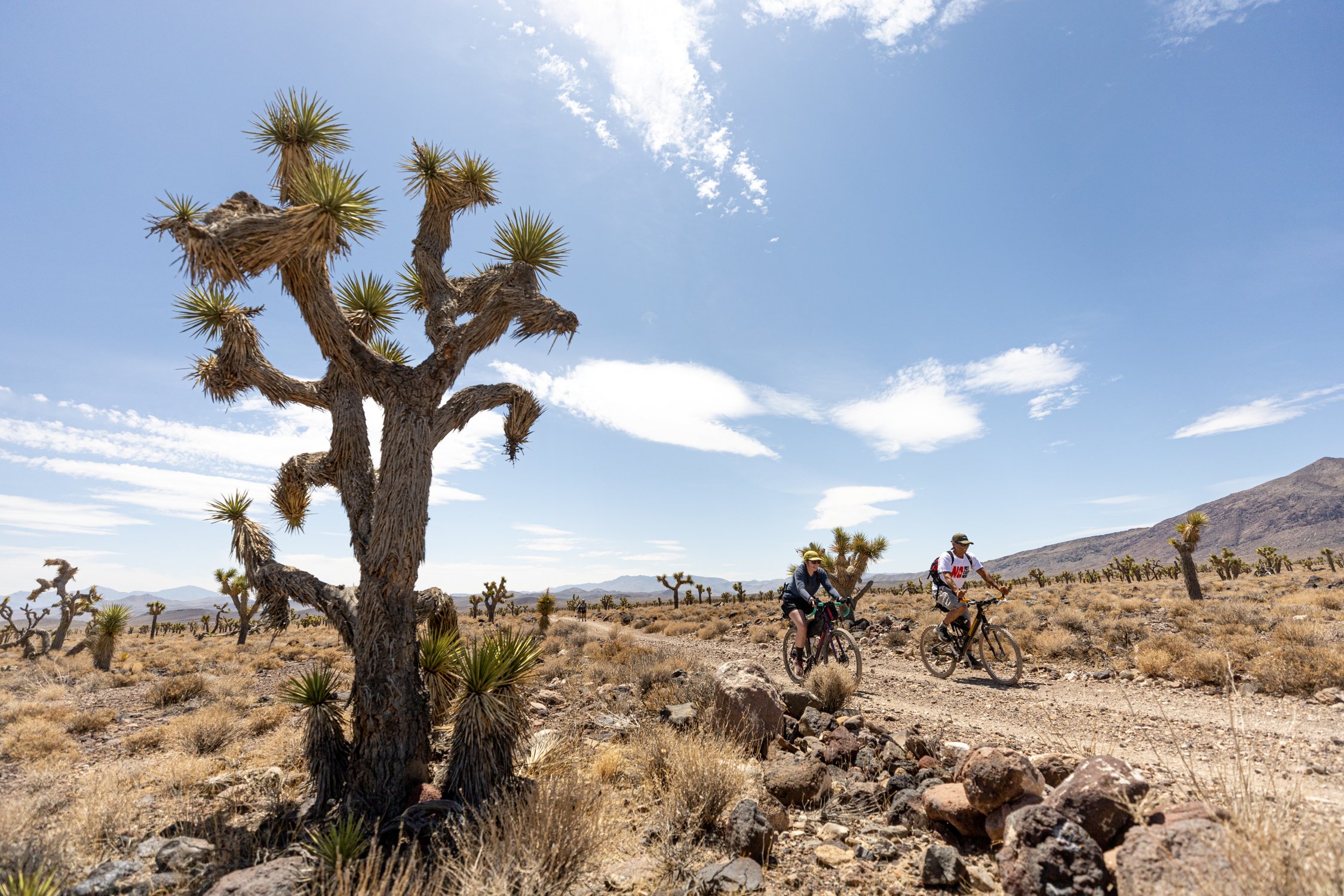
Cycling had always been more than just recreation for us. It was how we experience the land, how we connected with each other, and how we found perspective. So we decided to turn our bikes into a storytelling tool—a way to physically link the communities affected by these mining proposals and to share their stories along the way.
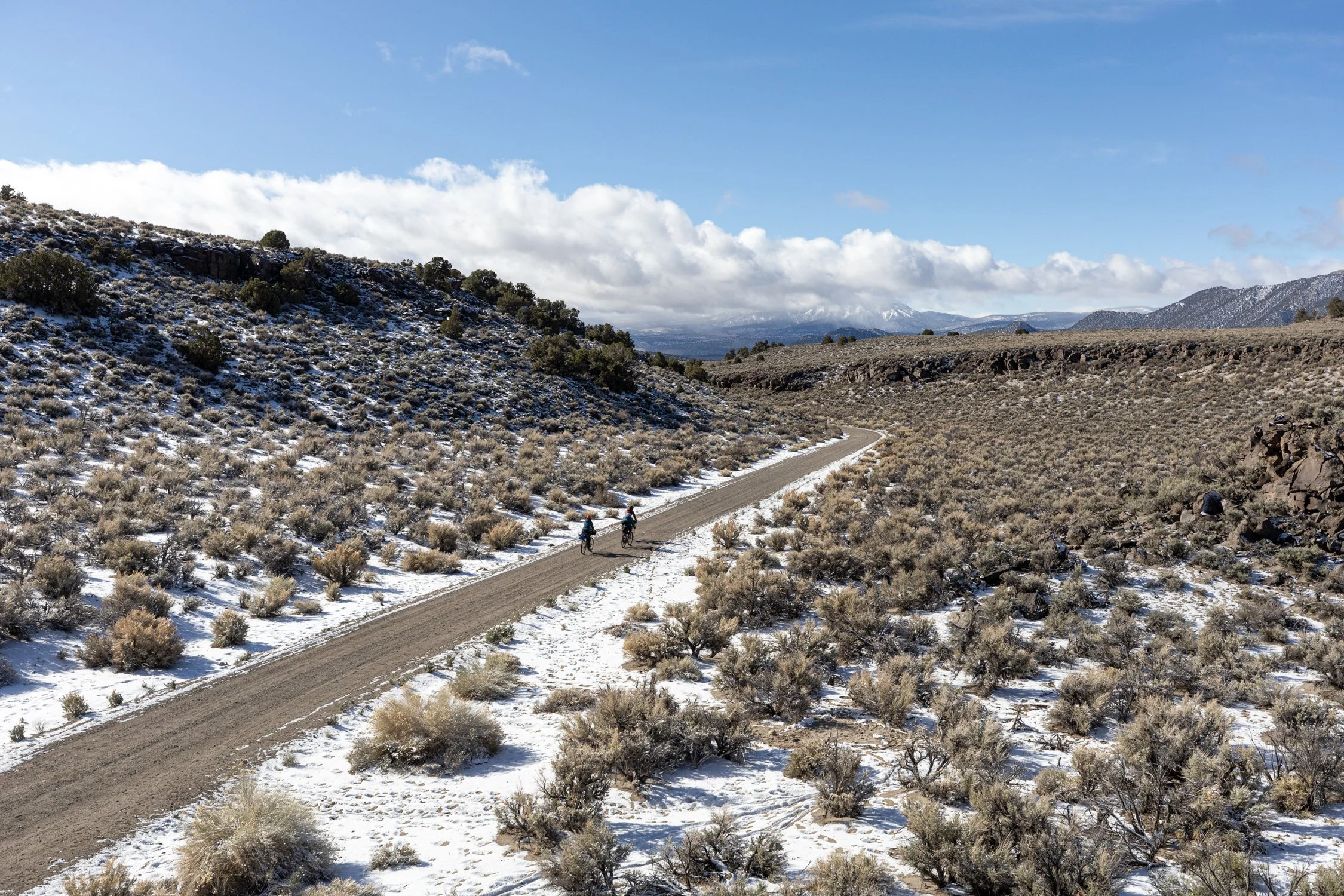
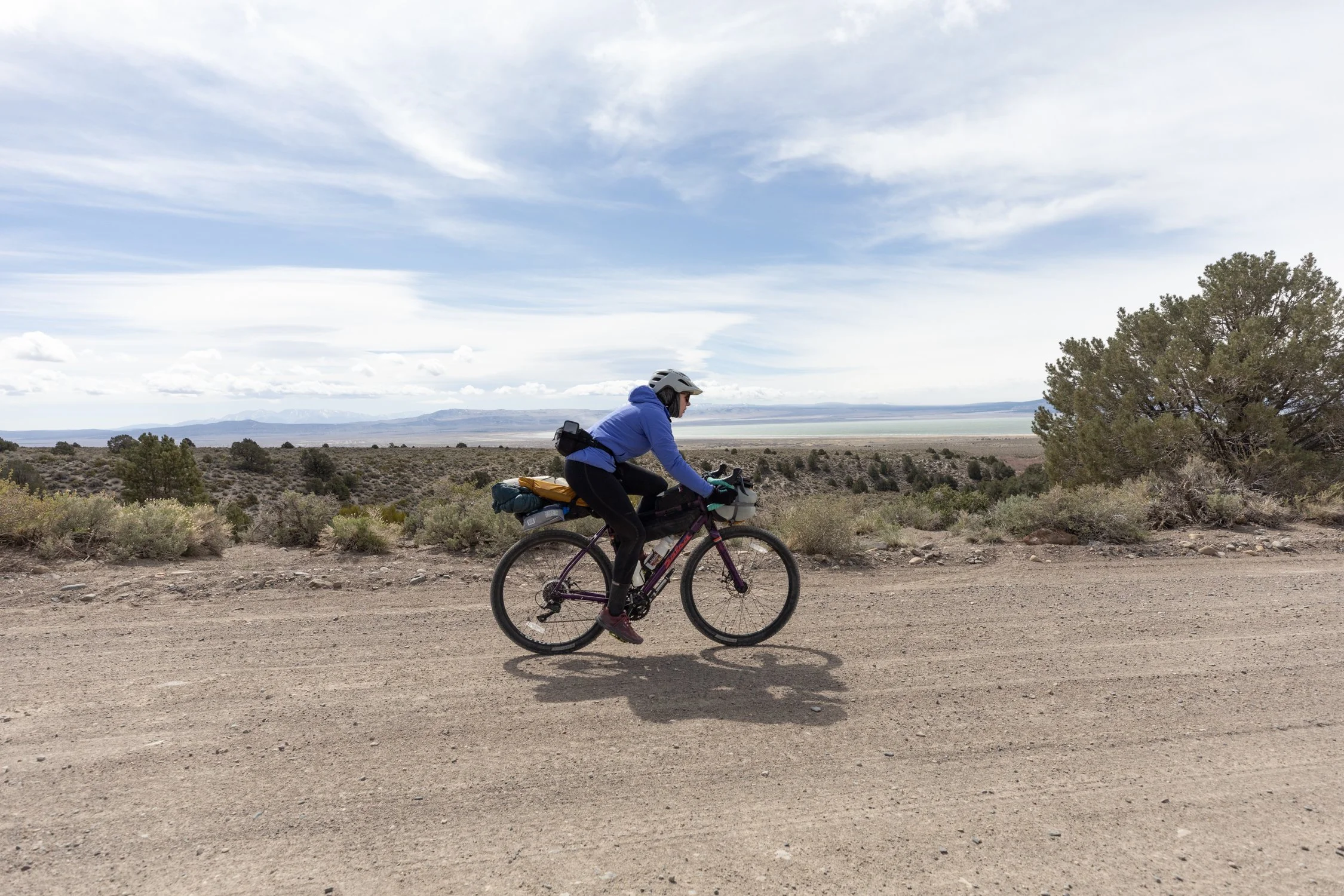
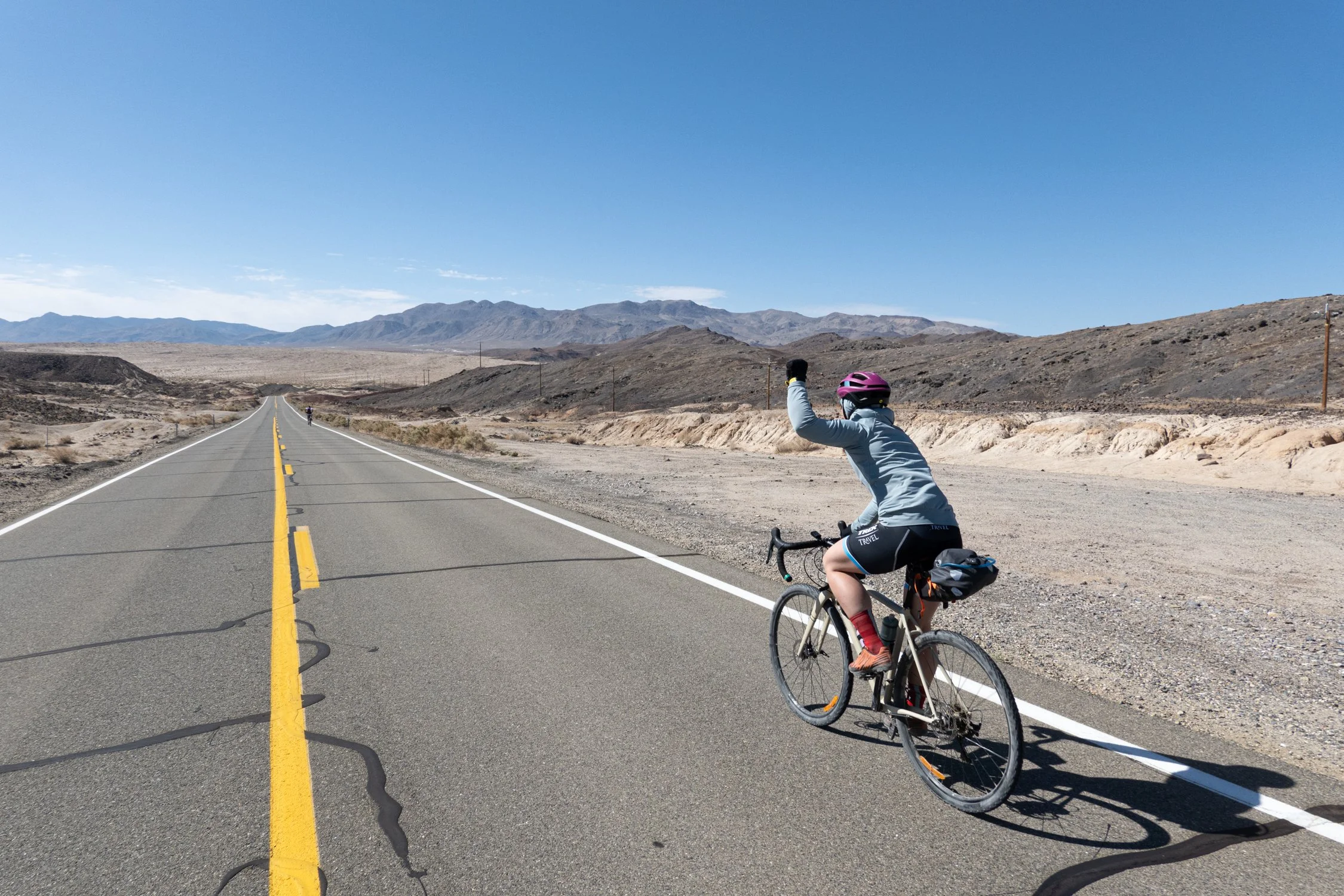
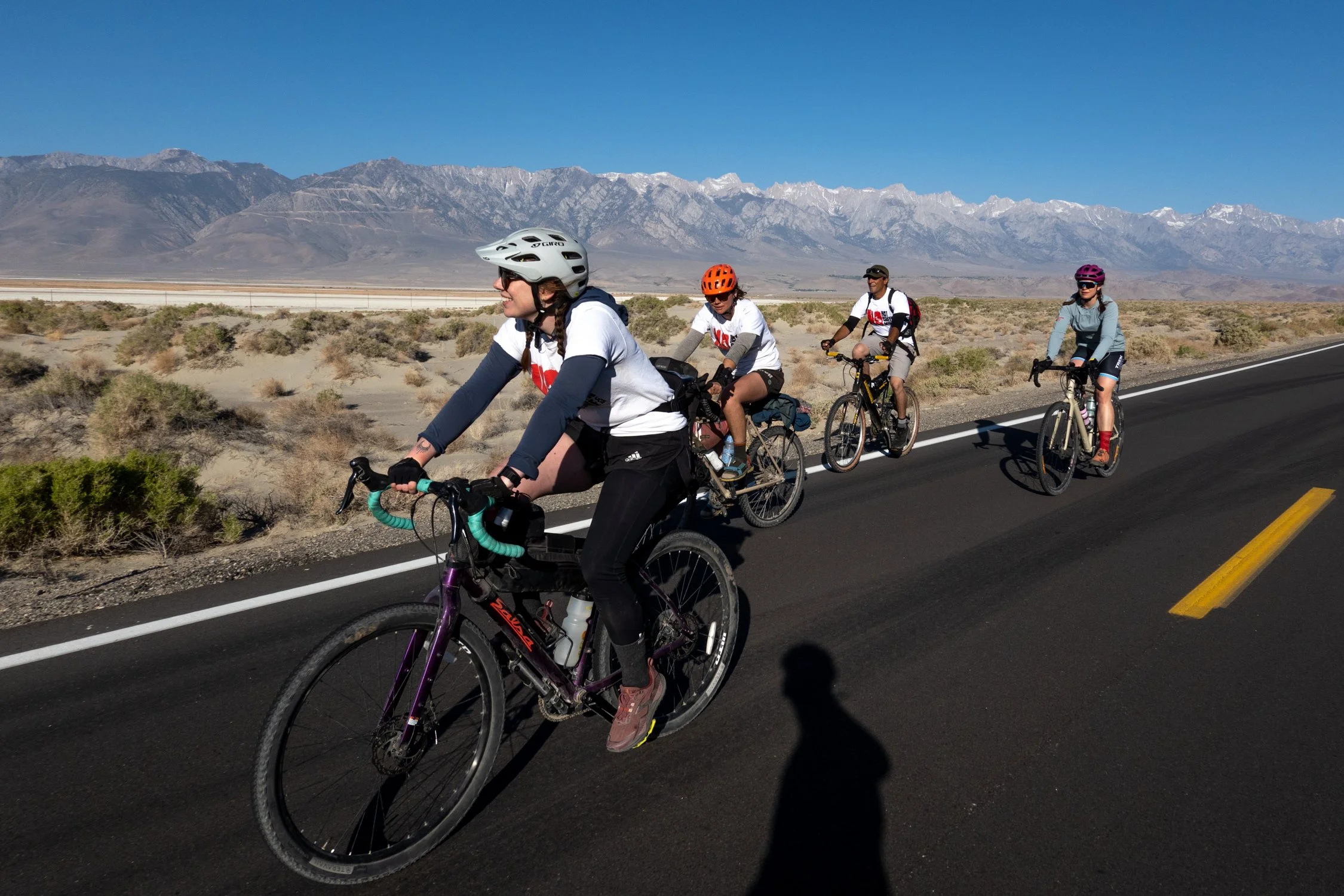
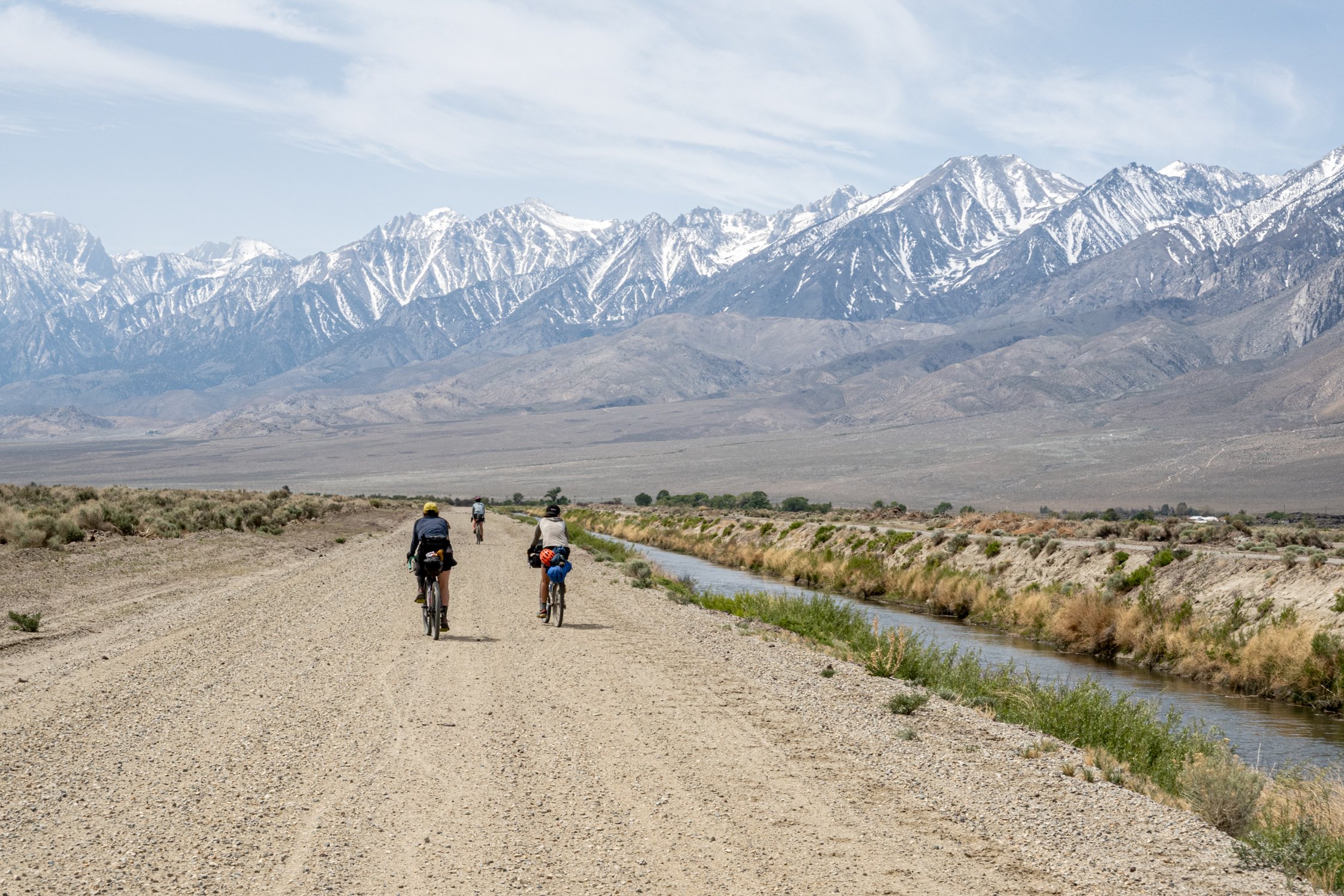
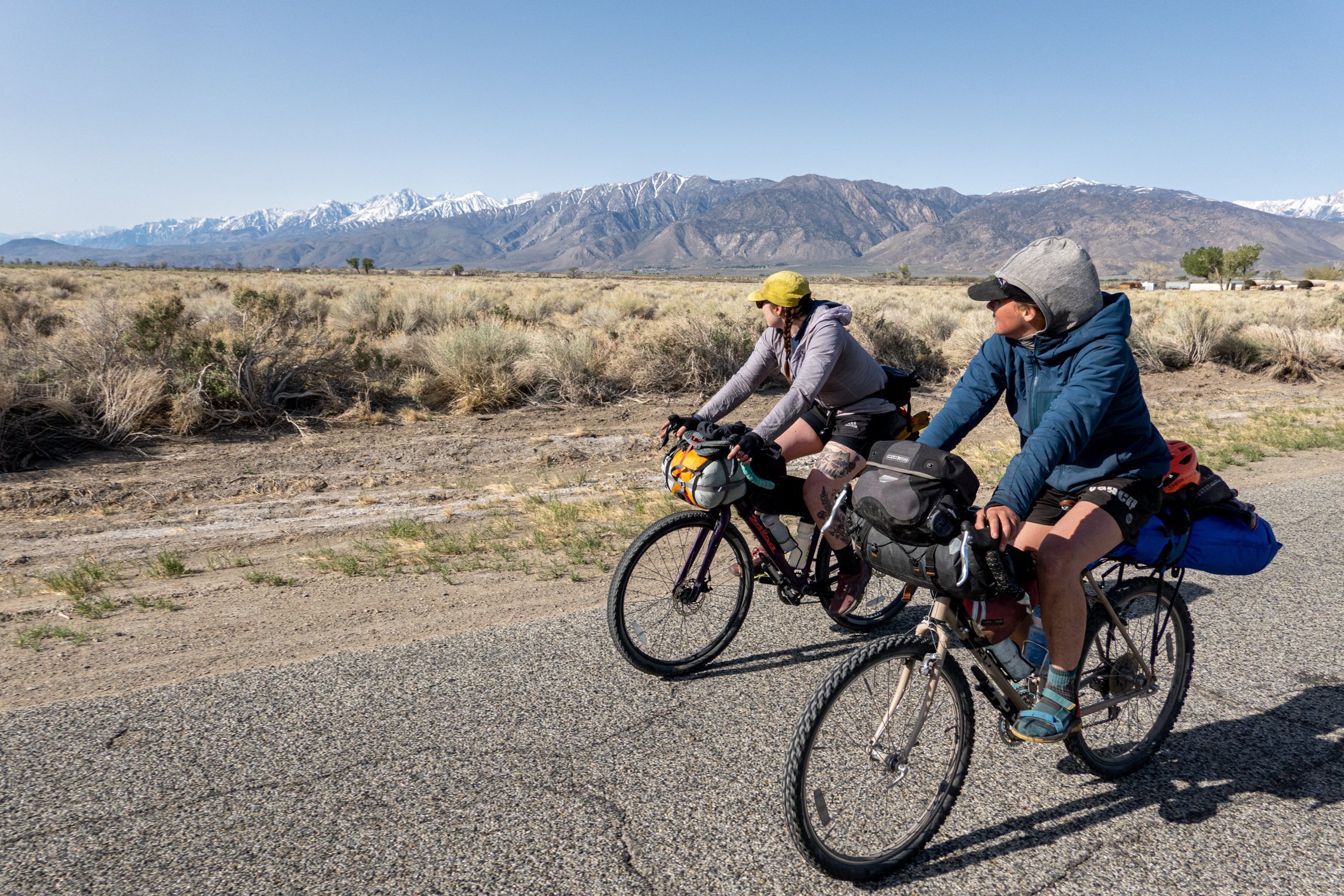
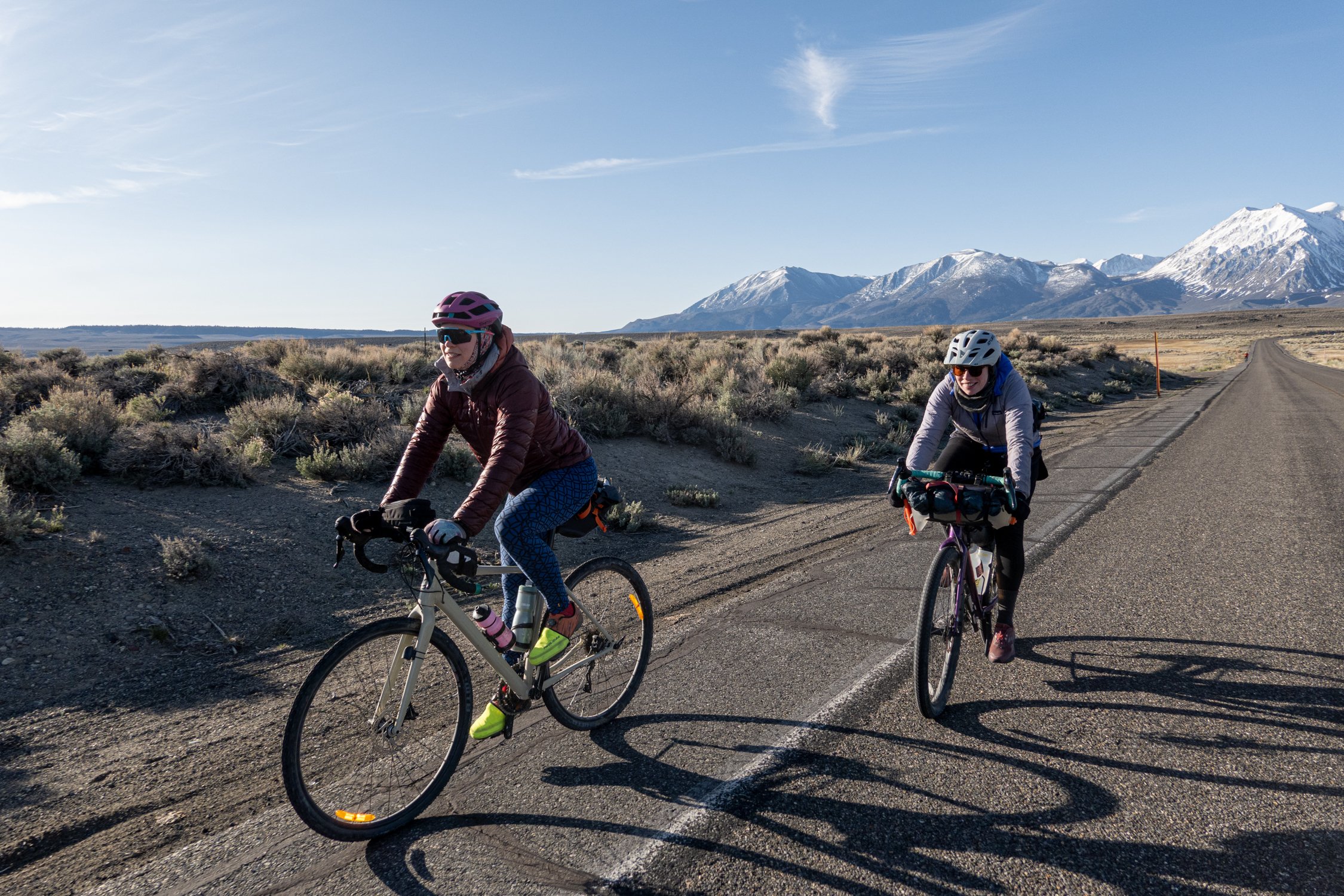
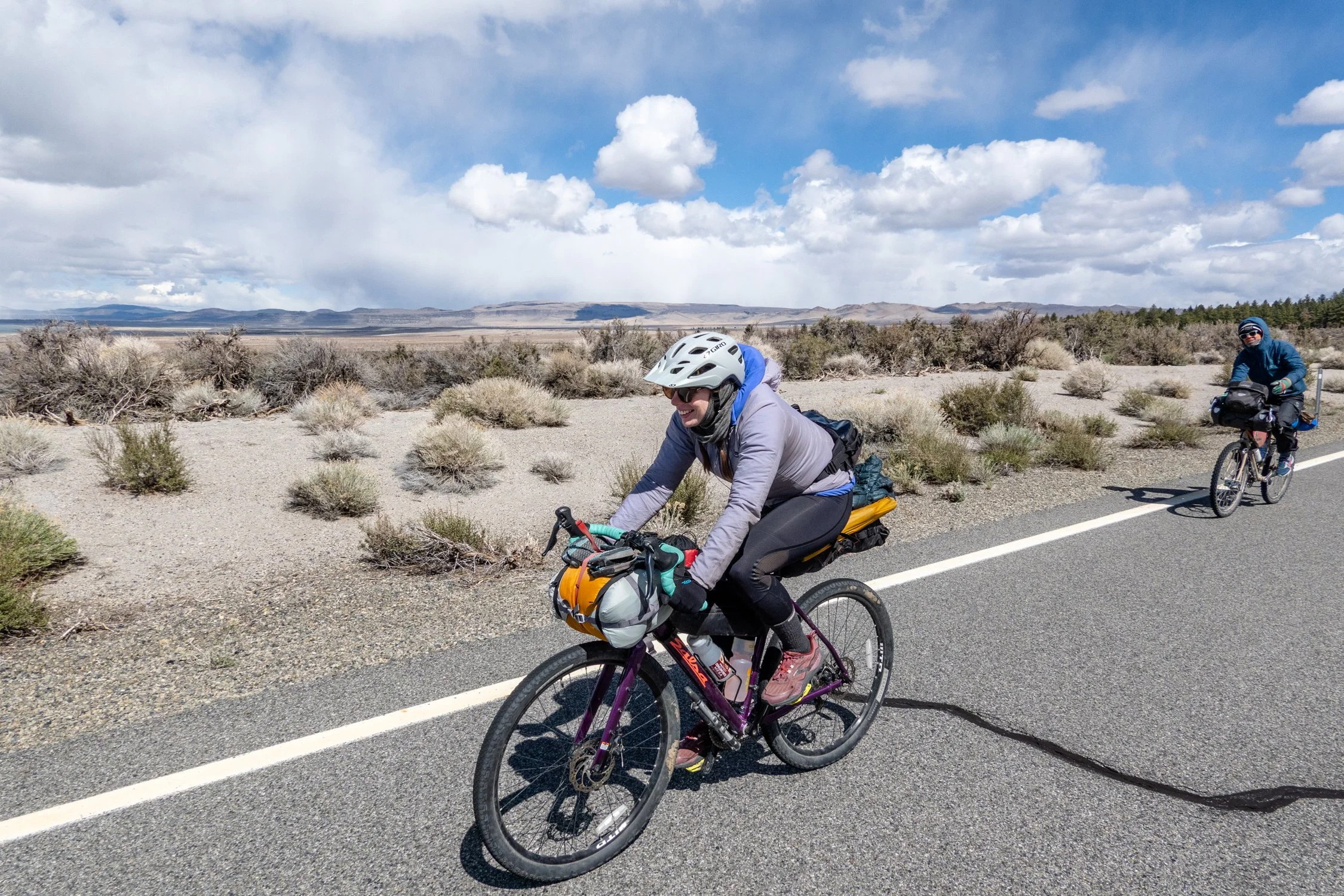
When spring arrived, we mapped out a route: 300 miles through the high alpine desert, connecting towns across the Eastern Sierra, each one facing its own version of the same threat. Our goal was simple but ambitious—to visit each community, listen, share, and raise awareness about the mining projects that could permanently alter this region.
This wasn’t just about one proposed mine anymore. It was about protecting a way of life, fragile ecosystems, and the people who depend on them.
We knew it wouldn’t be easy. Long days in the saddle, unpredictable weather, and the emotional weight of the conversations we hoped to have—it was all part of the journey. But it also felt right in a way that’s hard to explain unless you’ve experienced it: the alignment of passion, purpose, and action.
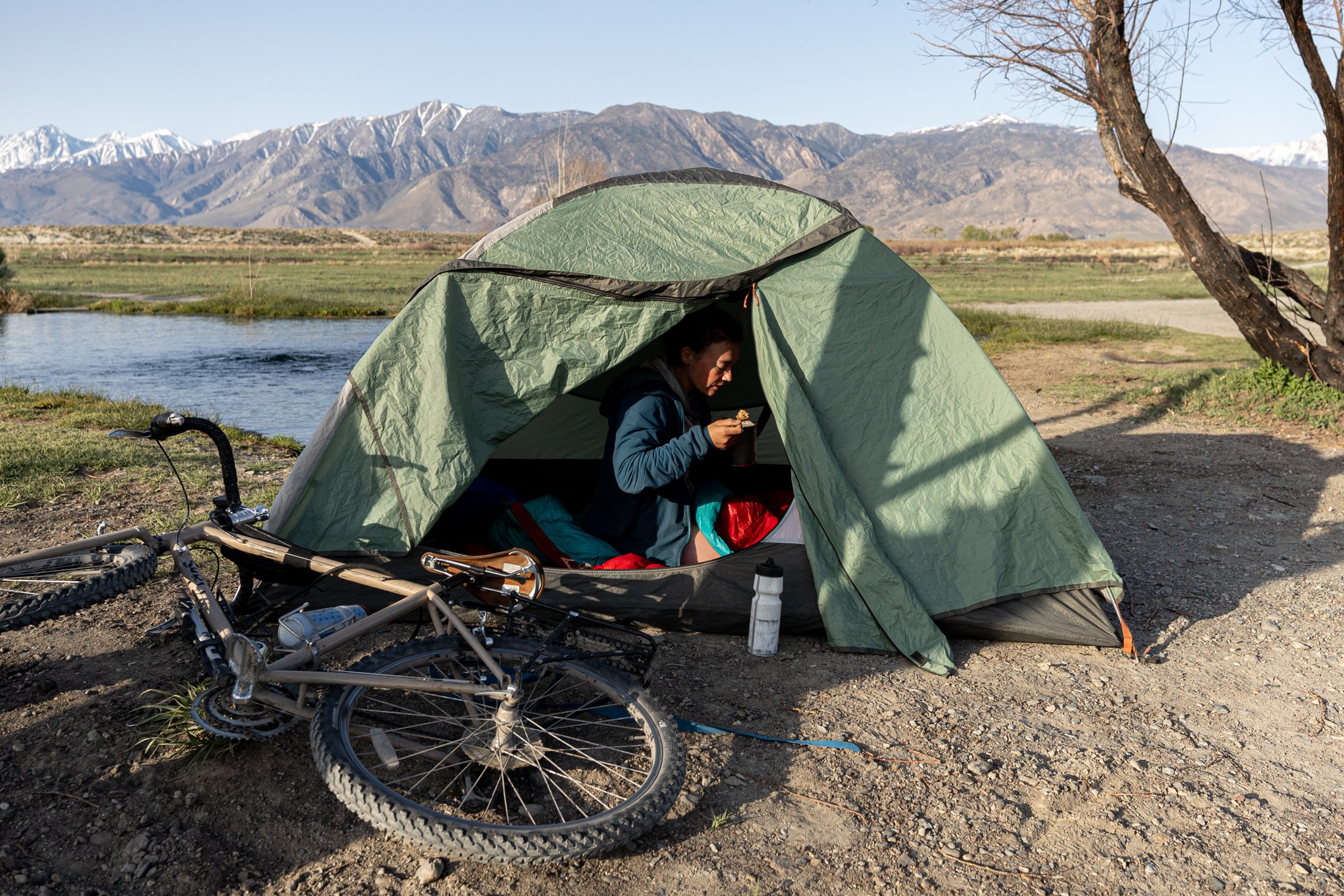
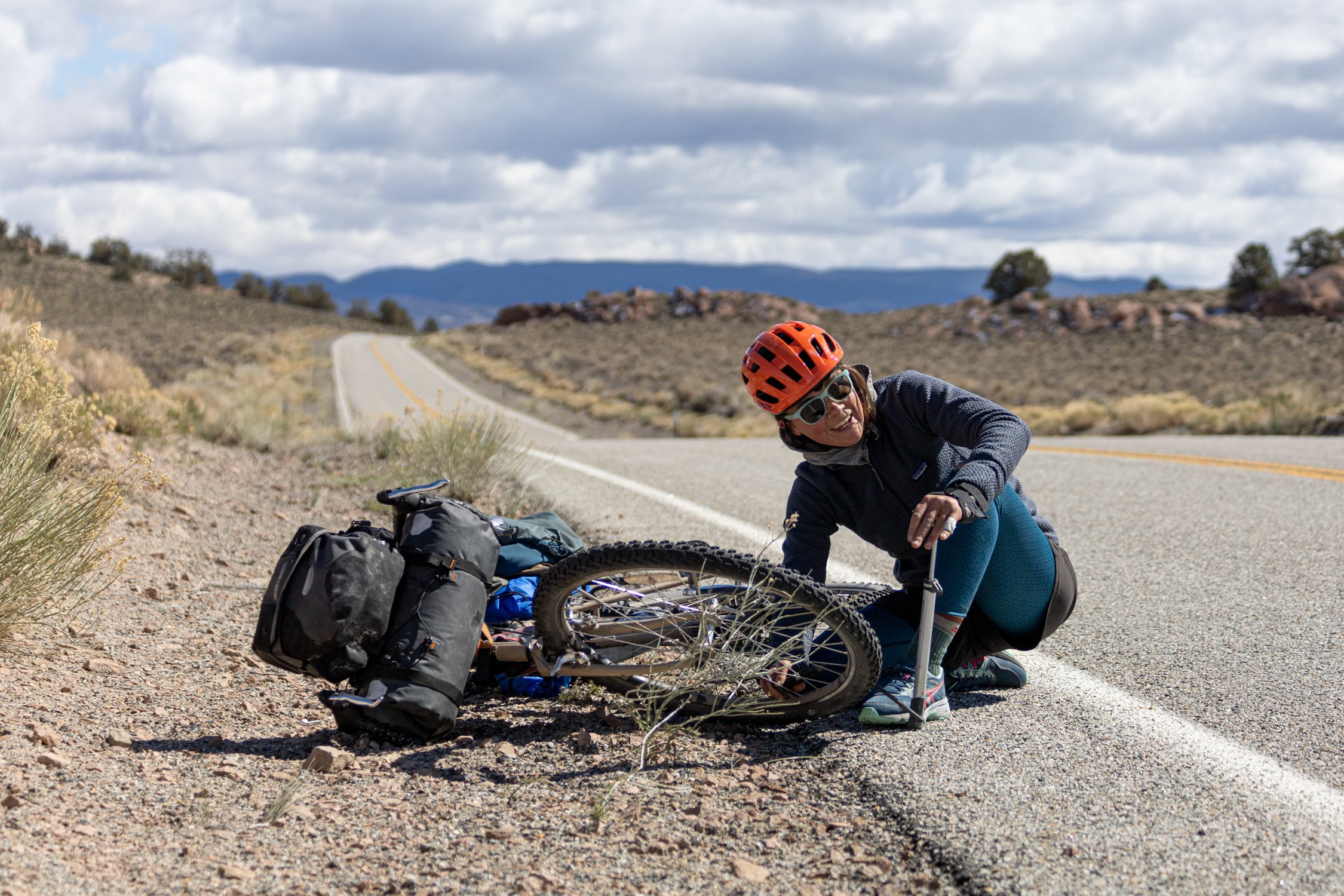
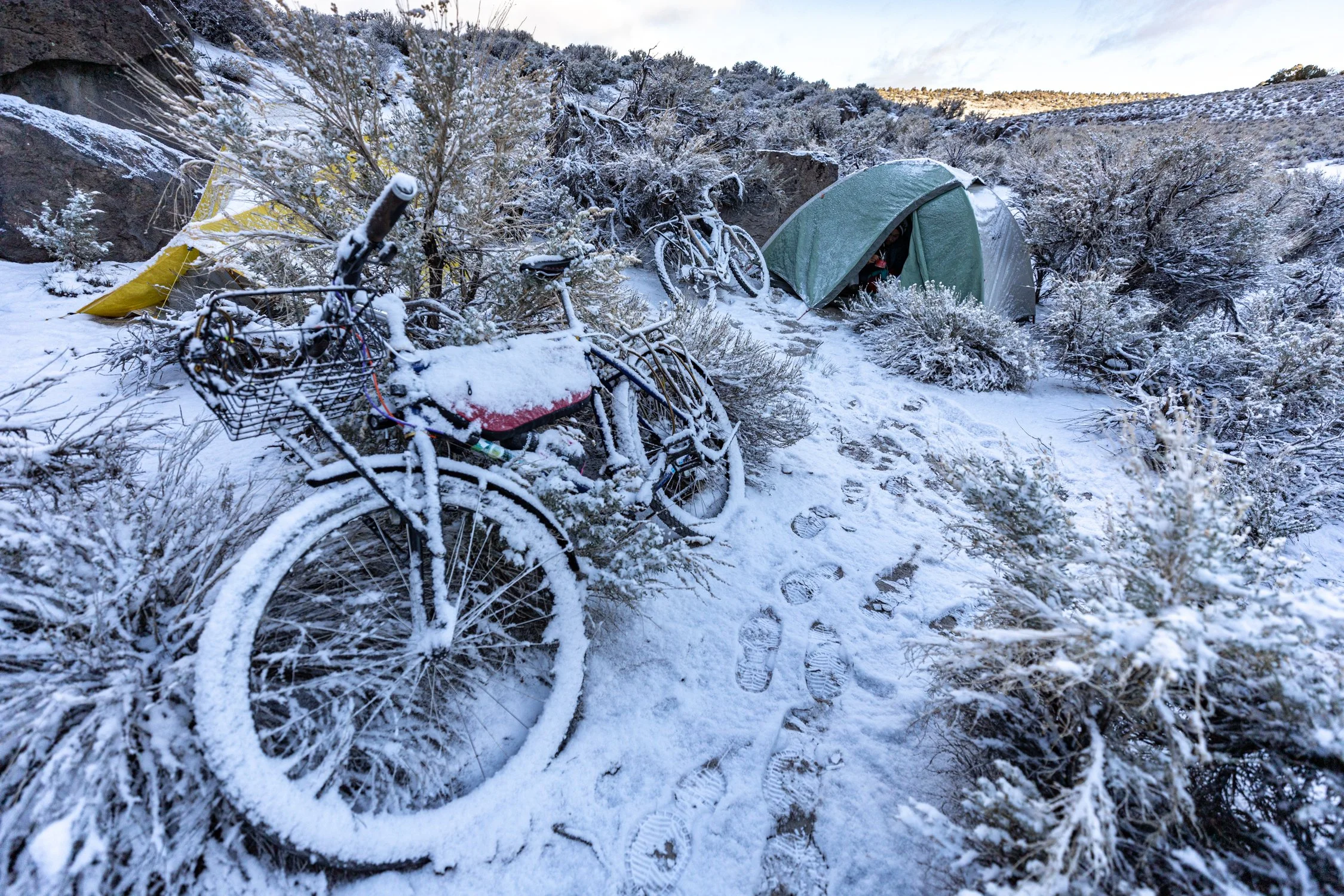
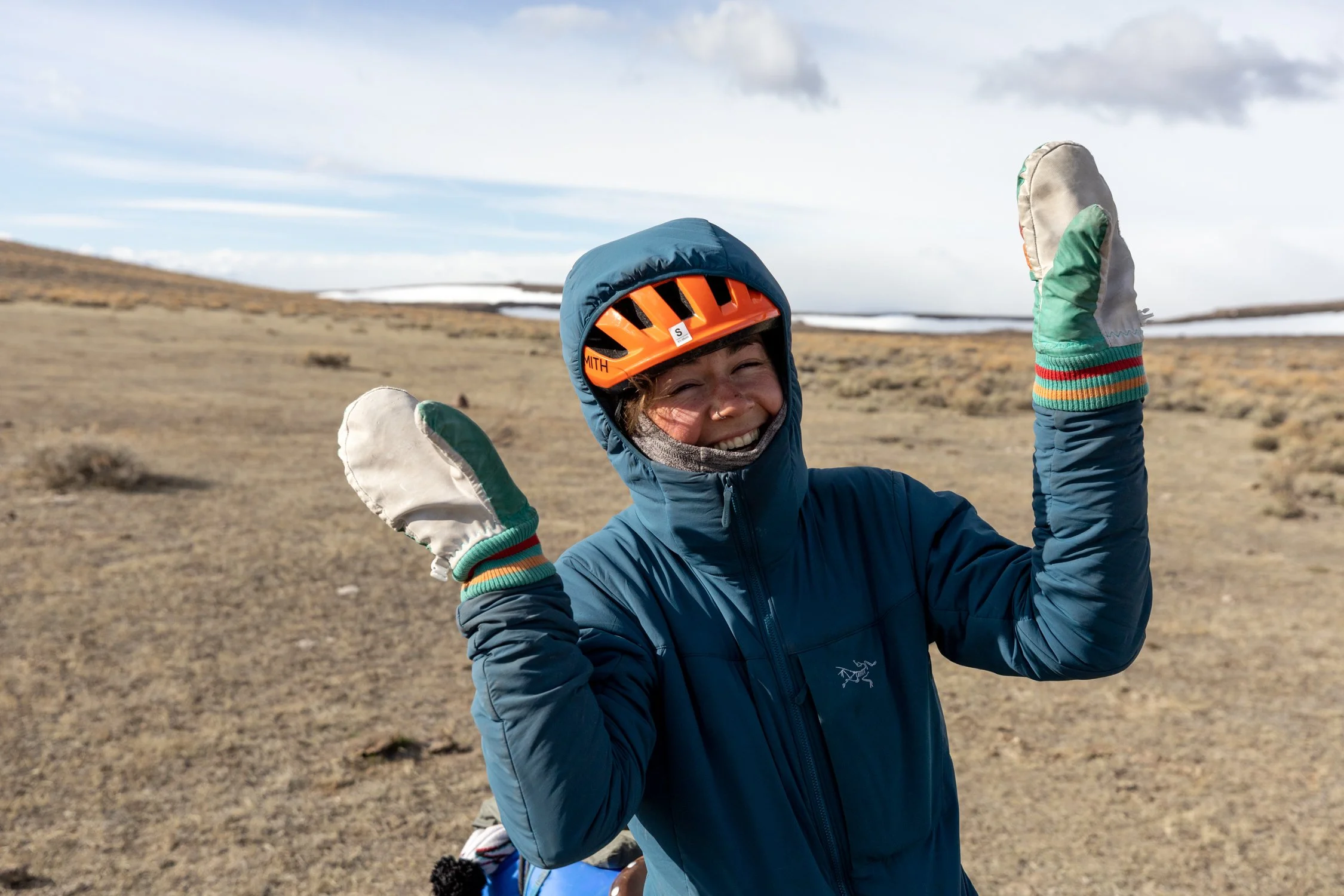
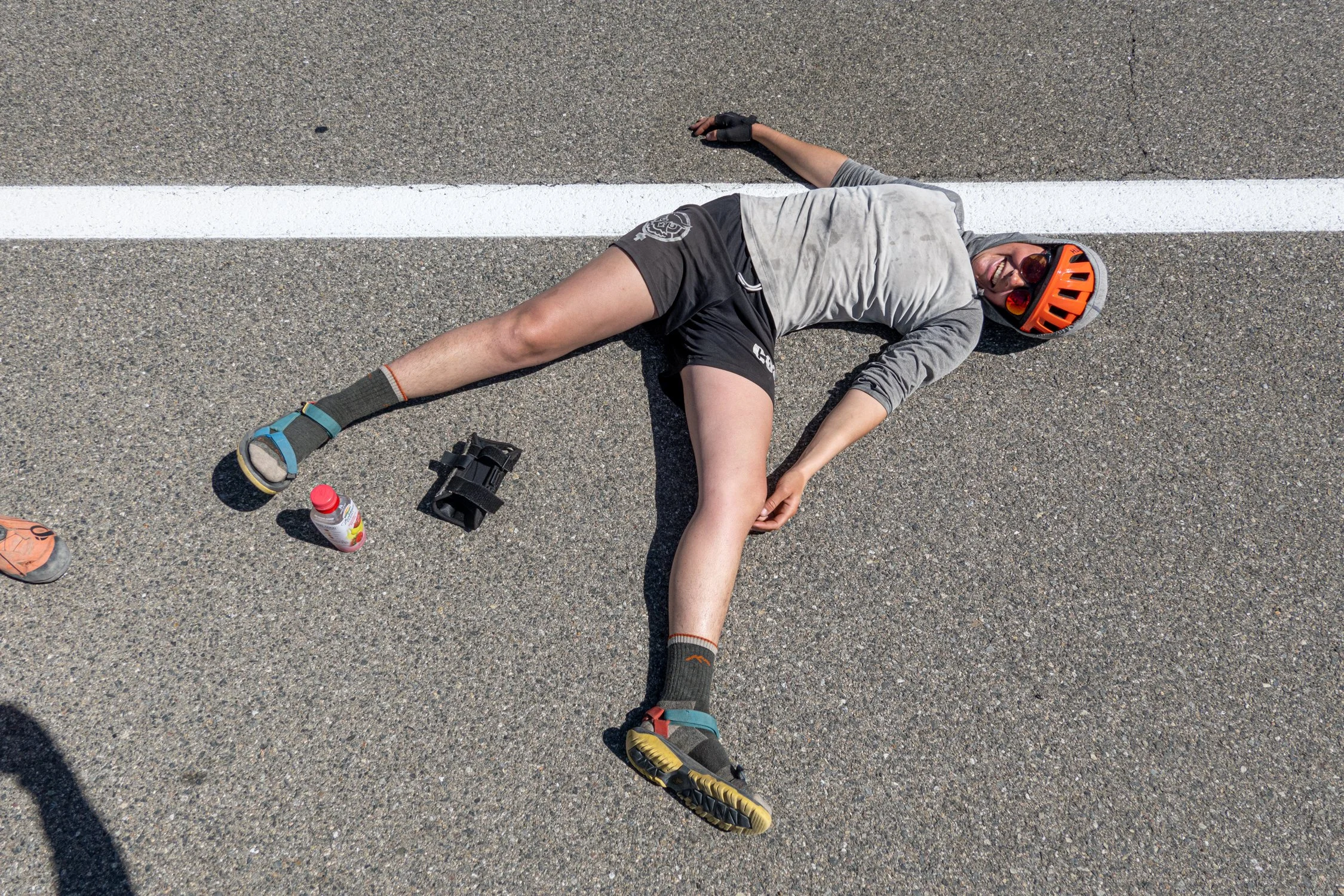
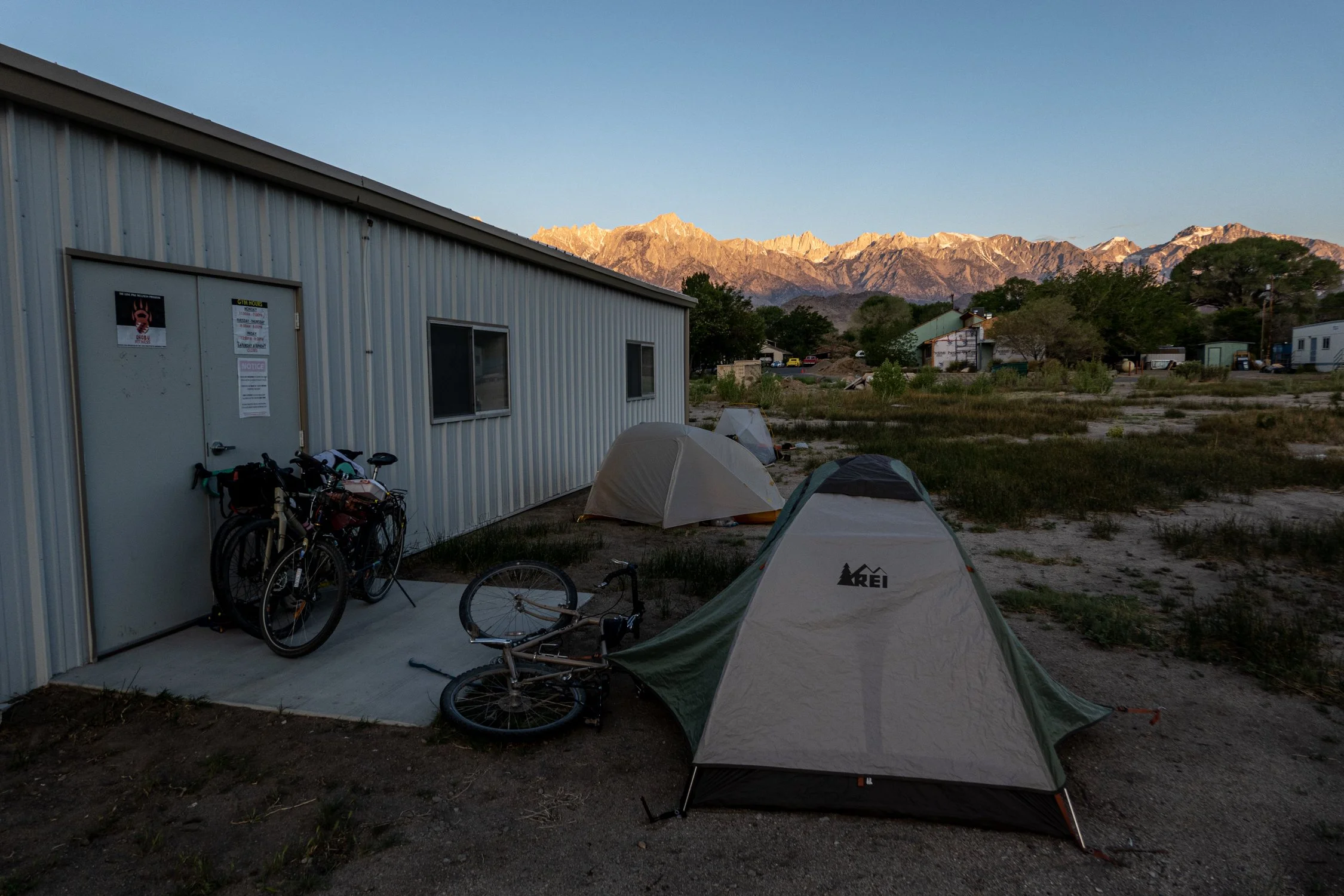
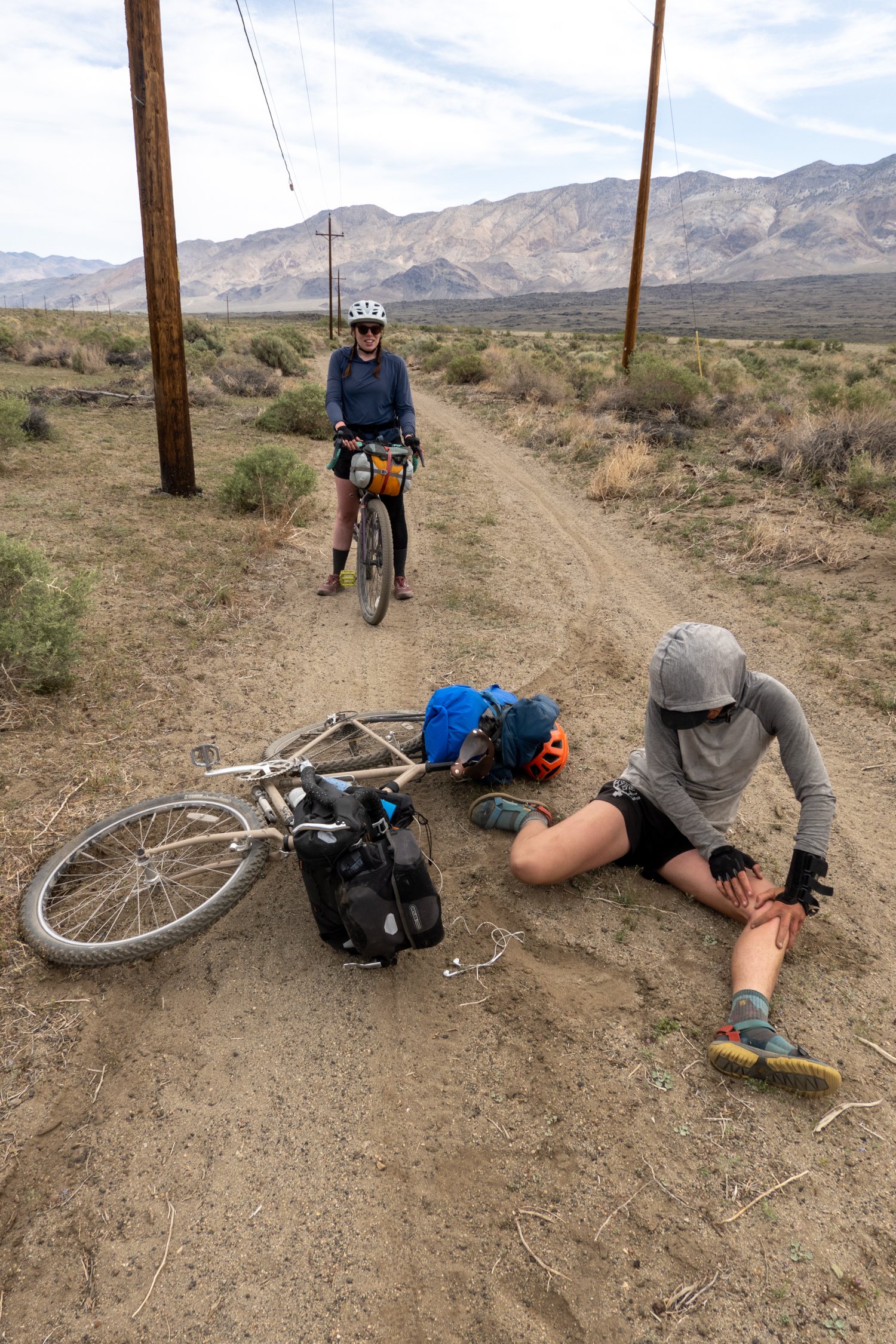
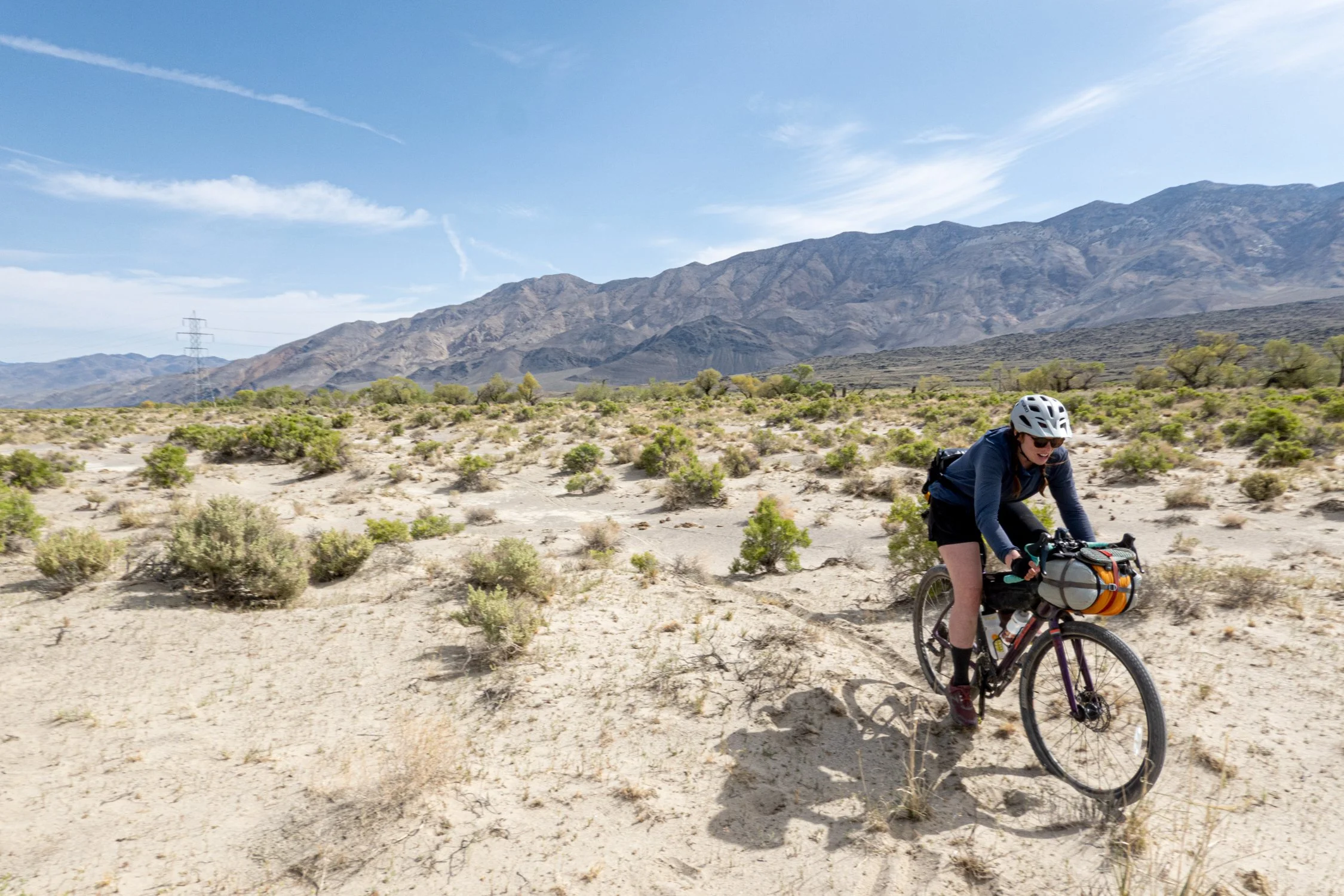
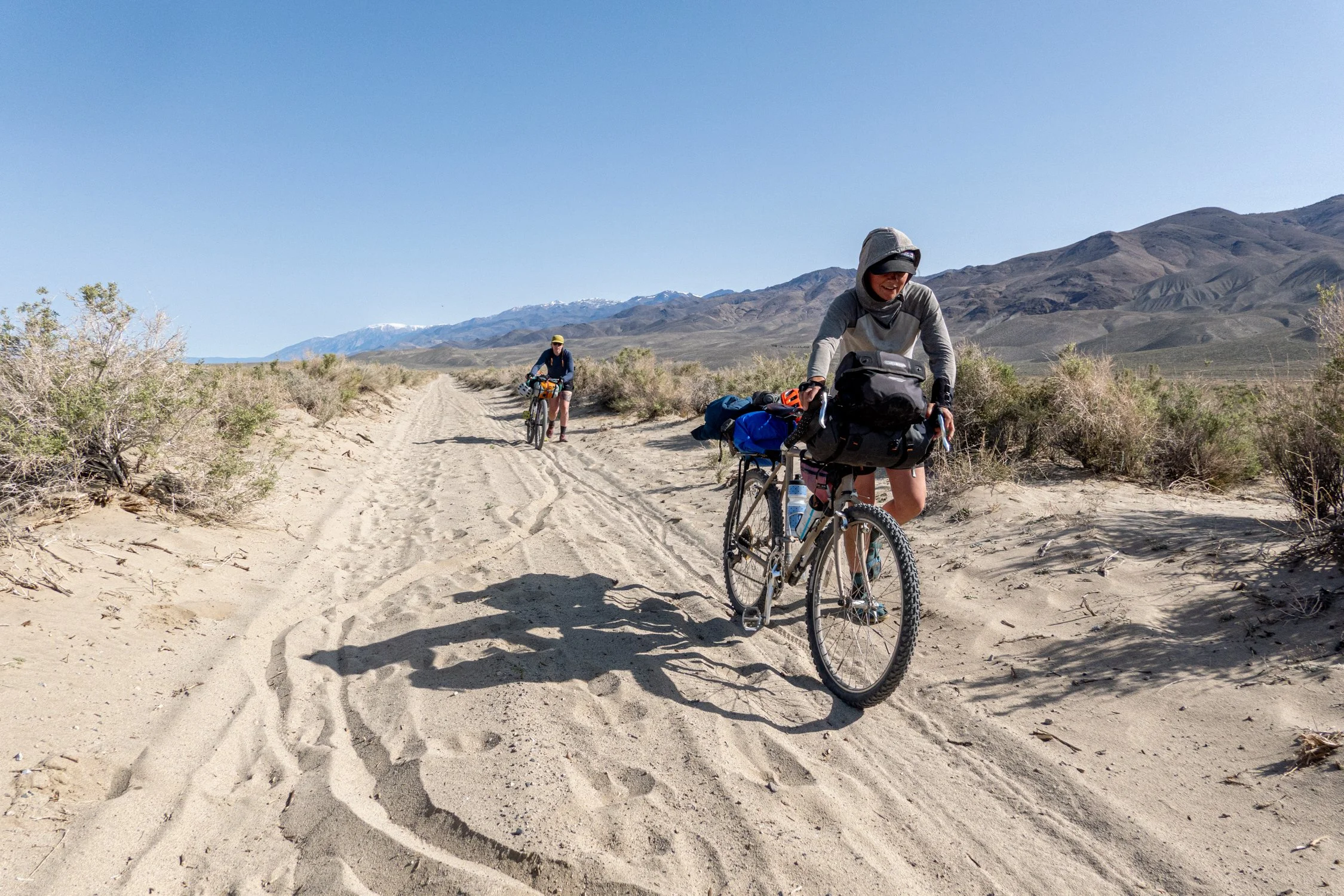
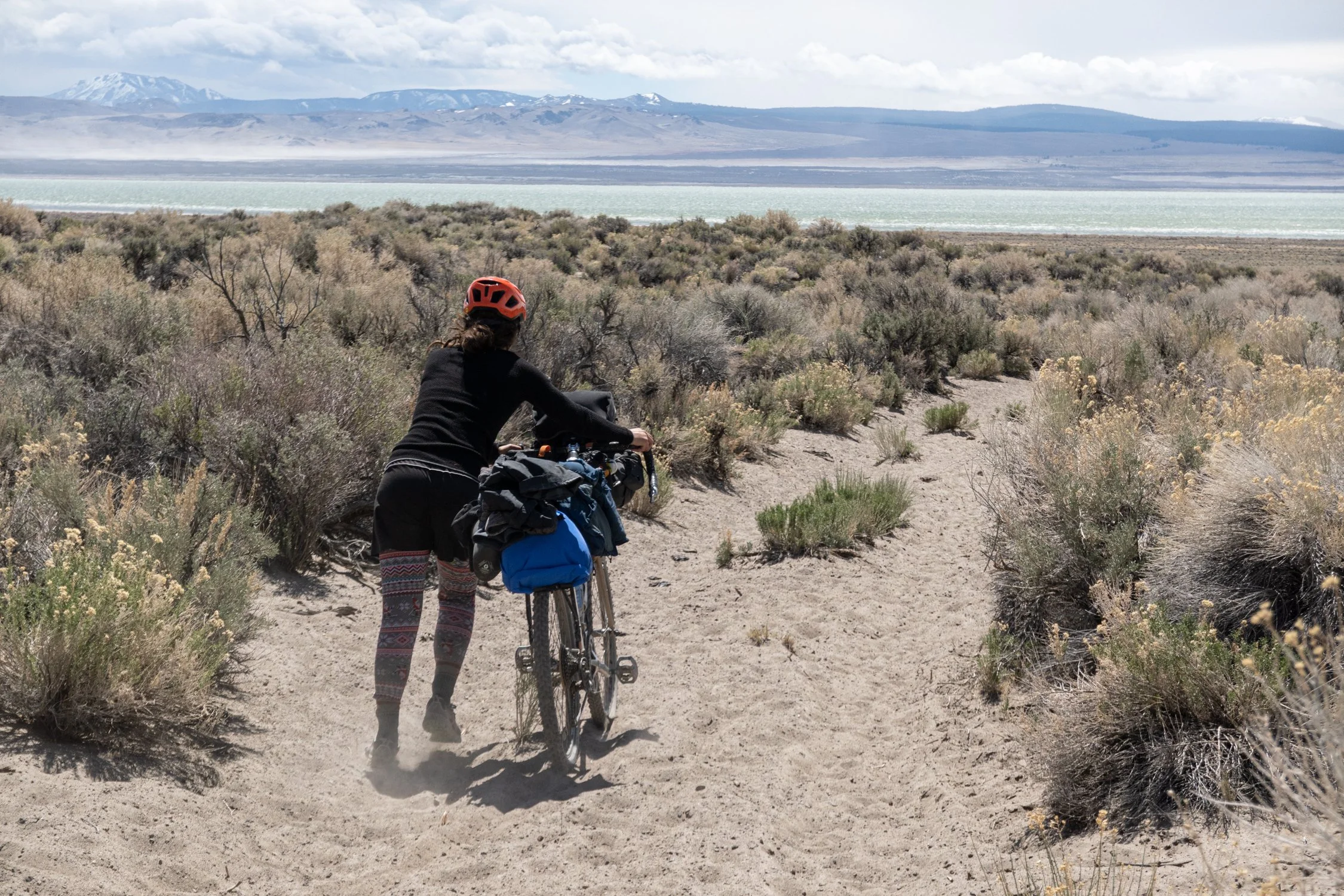
When the time came, the bike tour itself was a quintessential story of disaster. Ripping winds that kept us awake at night. Deep sand our bikes weren’t prepared to ride through. A blizzard that blew in and led to a rescue and a 25 mile re-route. Headwinds so strong we could barely pedal forward. Suffering at it’s finest.
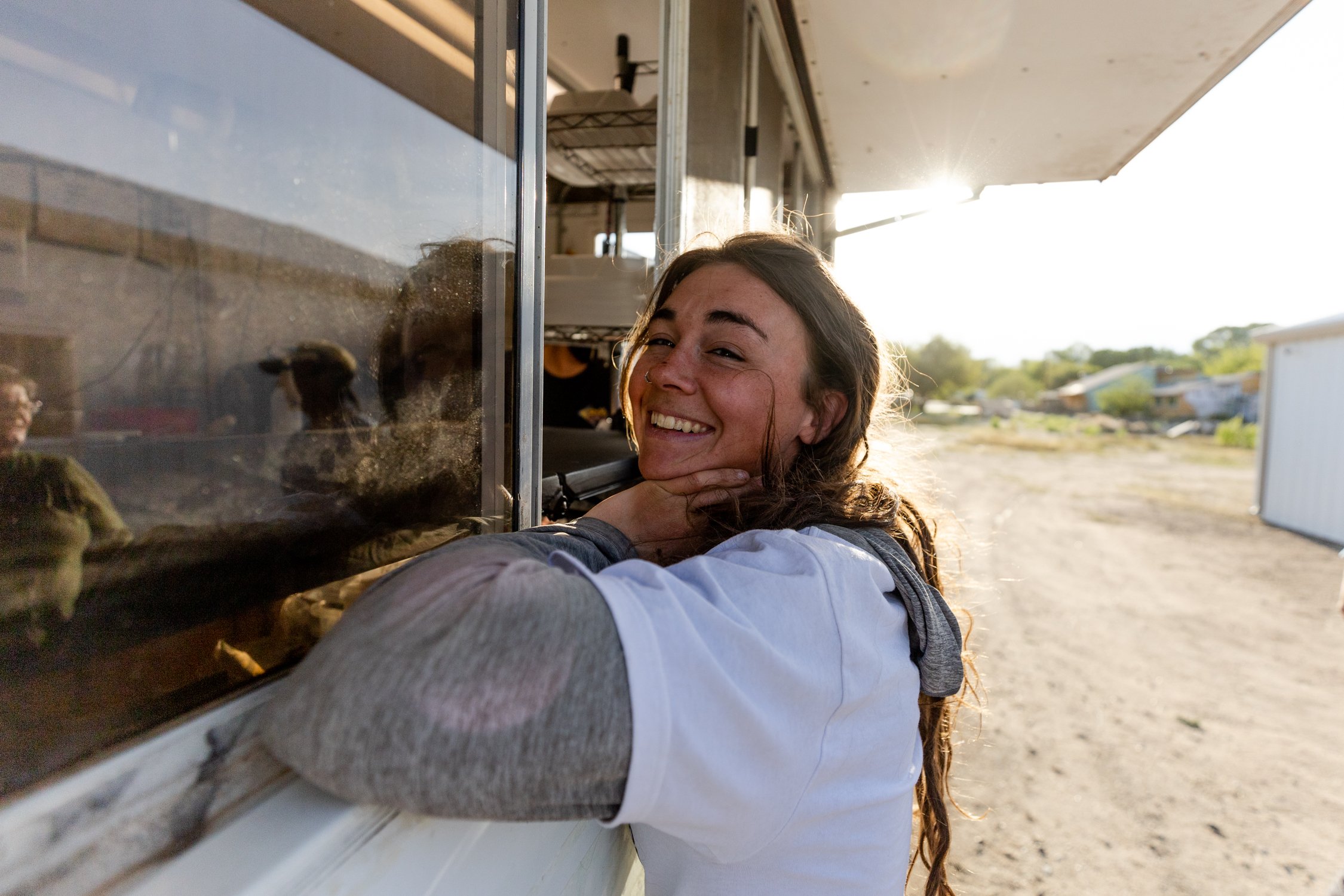
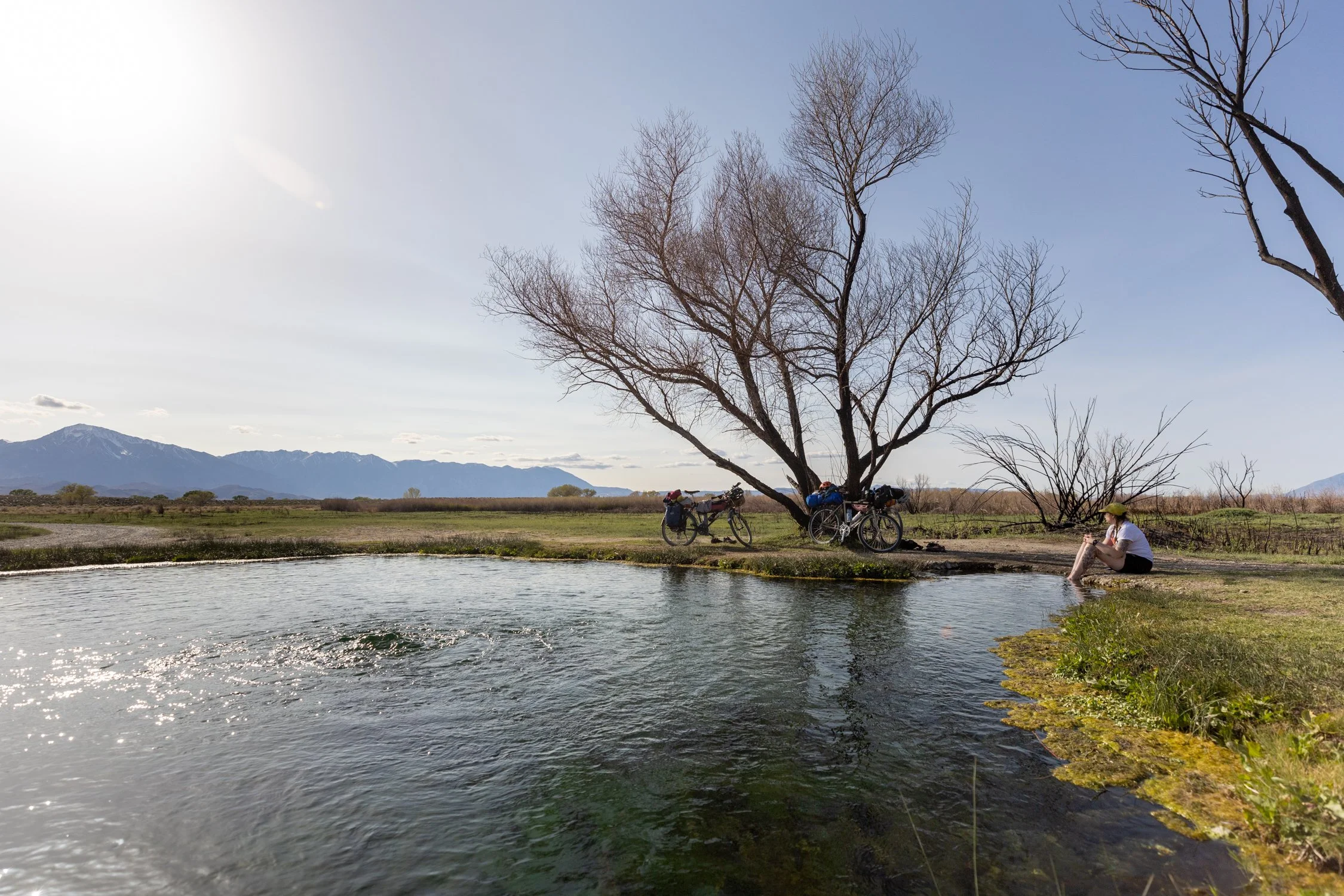
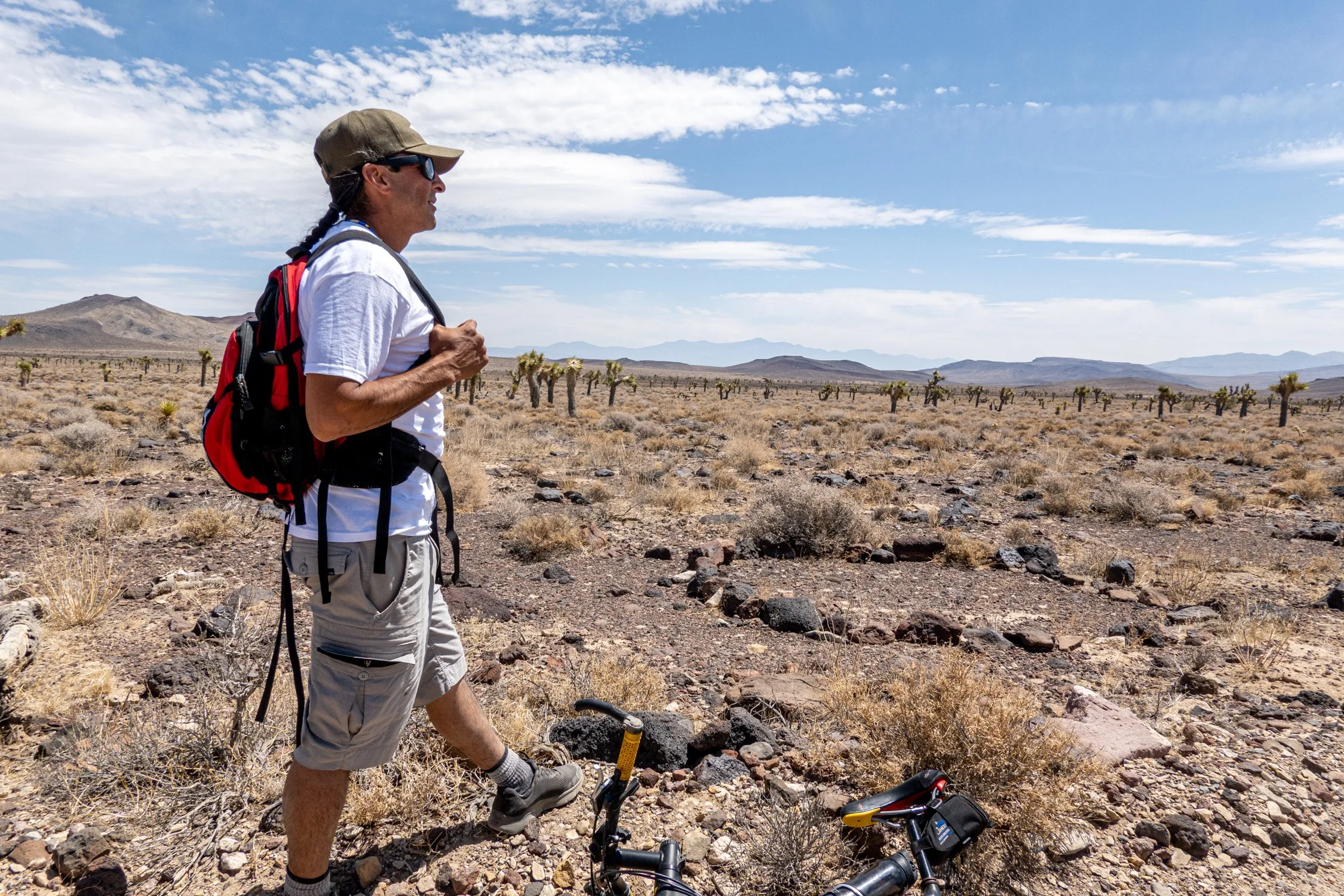
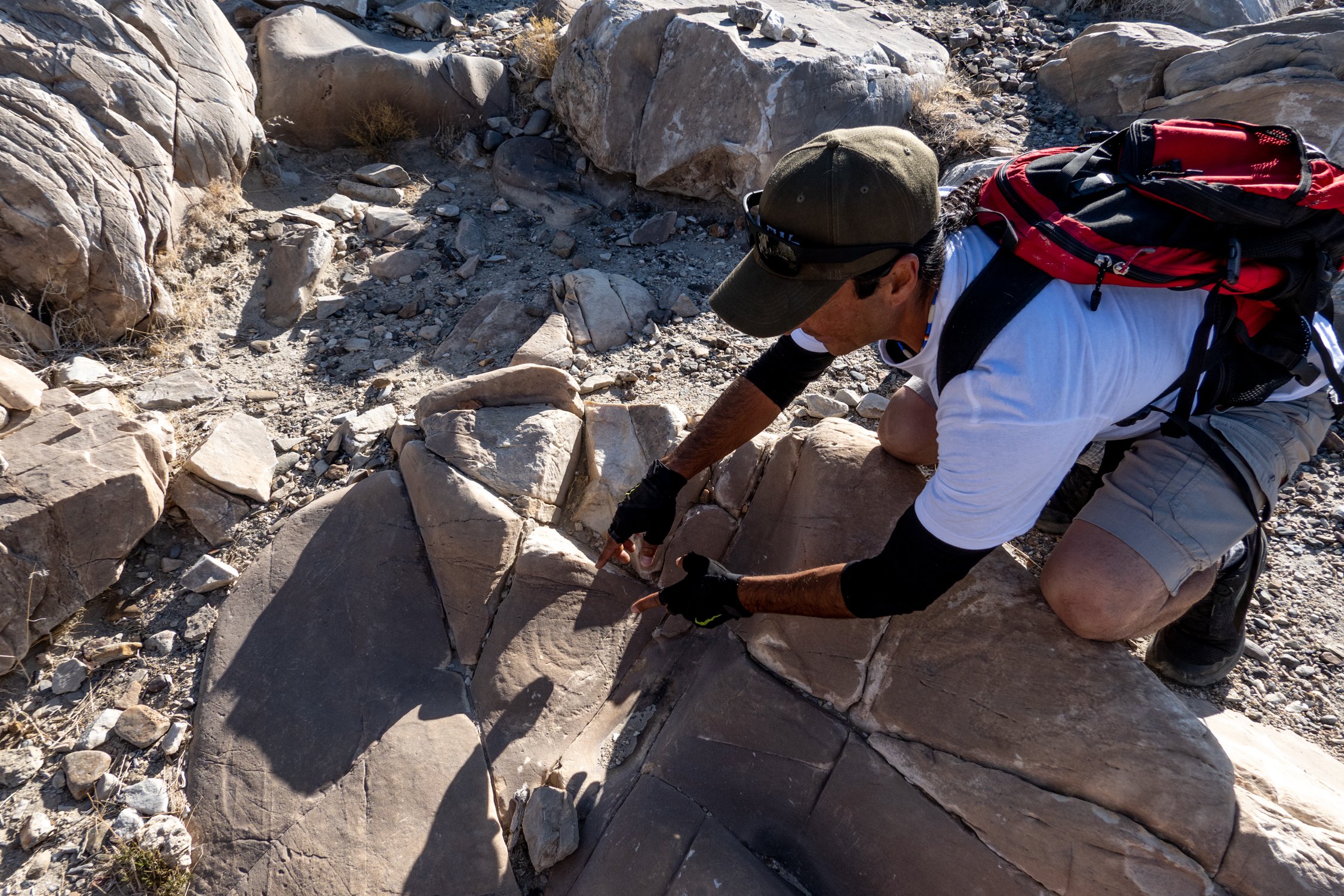
But the moments in between were what kept us going. The connections we made with concerned community members along the way. The welcome we received by Kathy Bancroft of the Lone Pine Paiute Shoshone. The fresh strawberries she shared with us as we baked under the sun. Swimming in the clear blue pools of the artesian springs, washing off the dust of a long day.
It turned out this ride was about more than distance. It was about connection—between landscapes, communities, and ideas. It was about showing up, both physically and politically, regardless of the suffering, for the places we love.
And maybe, just maybe, it’s about proving that small actions—like two friends on bikes—can spark something bigger.
Listen to their story on the Dirtbag Diaries Podcast.
